
























Political Shifts Reshape 2026 Secondary Elections

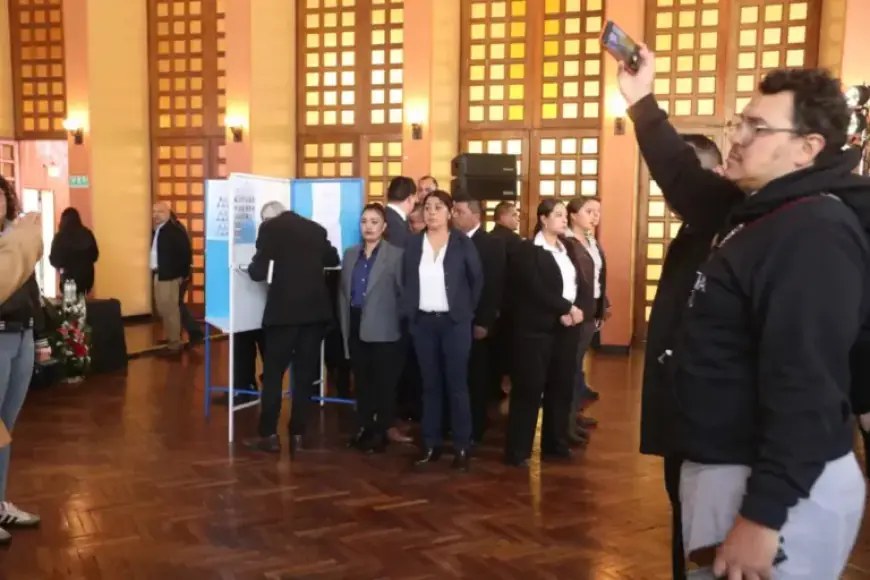
The political landscape is shifting as the road to the 2026 secondary elections becomes increasingly complex. Key institutions, including the Constitutional Court, the Supreme Electoral Tribunal, and the Public Ministry, face ongoing transformations. Recent developments hint at a slow departure from the established multi-sectoral alliances that have previously dominated Guatemalan politics.
Changing Political Dynamics
The political climate appears to have undergone a significant transition since the 2023 general elections. An unexpected presidential duo emerged, reshaping traditional political affiliations and engendering new alliances within the legal community.
Impact of Recent Elections
- In the 2023 elections, the multi-sector alliance attempted to suppress opposition, but witnessed the rise of the Semilla party and Bernardo Arévalo.
- A reshaped legal community has given rise to new groups, notably Unidad por la Justicia, which has gained traction against historic political entities.
Notably, traditional groups grew under the influence of state funds and political power. Leaders such as Nester Vásquez and Estuardo Gálvez have struggled to maintain their hold as new options establish themselves within influential positions.
Key Players and Positions
A recent power shift has led to crucial victories within the Lawyers’ College, including important seats in electoral regulations and judicial appointments. New leaders like Astrid Lemus and Fernando Bermejo are now significant players in the Constitutional Court and Supreme Electoral Tribunal.
Current Challenges
- Nester Vásquez faces challenges due to allegations of collusion with public officials.
- Estuardo Gálvez’s credibility is wavering as his alliances begin to falter.
The political situation remains precarious as the nomination processes for judicial appointments are underway. These shifts are essential for maintaining democratic integrity in the upcoming second-degree elections. However, setbacks may arise if influential figures attempt to manipulate the electoral process to prolong their positions.
Future Outlook
The path to completing 2026 secondary elections legally and transparently is fraught with challenges. Disturbing actions, such as the armed intervention led by Prosecutor Leonor Morales at voting centers, raise serious concerns about electoral integrity. Such delays could inadvertently benefit entrenched political players seeking to maintain influence.
Citizen Vigilance
Despite existing uncertainties, informed public opinion is poised to confront any anti-democratic practices that arise. The involvement of a vigilant populace is crucial in countering potential destabilization from radical elements within the multi-sector alliance.
As the date for the secondary elections approaches, the evolving political dynamics in Guatemala will continue to be a focal point for both citizens and observers alike.