




















UK and European allies say Alexei Navalny was killed with dart frog toxin; Kremlin rejects findings

Britain and four European governments announced that analyses of samples connected to Alexei Navalny detected epibatidine, a potent toxin typically associated with South American poison dart frogs. The declaration intensifies international scrutiny over the Russian opposition leader’s death while imprisoned in February 2024 (ET).
Governments say analysis found epibatidine; samples tested in Europe
Officials from the UK, Sweden, France, Germany and the Netherlands said joint analyses confirmed the presence of epibatidine in material taken from Navalny. They described the finding as conclusive evidence that poisoning was the likely cause of his sudden death in a Siberian penal colony. The coalition argued that only a state with access to detention facilities and sophisticated operational capabilities would have had the means, motive and opportunity to carry out such an attack.
Delegations at a recent security gathering outlined that the toxin is not native to Russia and pointed to its association with poison dart frogs in South America as indicating a manufactured or imported agent rather than a naturally occurring Russian substance. The statement referenced prior attempts to poison Navalny with a nerve agent in 2020 and drew parallels with earlier high-profile poisonings that implicated state actors.
British specialist laboratories in the UK and partner countries analysed biological samples and trace material related to the case. Those conclusions were presented jointly by the five governments, which called the discovery a violation of international norms and urged accountability under conventions that ban chemical weapons.
Kremlin rejects blame; widow demands accountability
Moscow rejected the findings, characterising the announcement as an information operation and continuing to deny involvement. Kremlin spokespeople reiterated long-standing denials of state responsibility for Navalny’s death, challenging the methods and provenance of the test results and stating that formal disclosure of analytical formulas would be required before further comment.
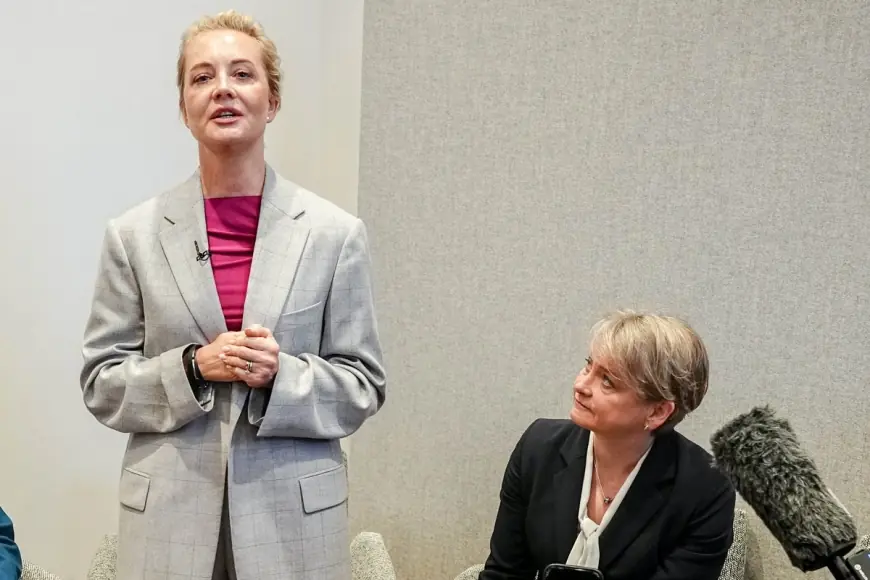
Navalny’s widow publicly called for those responsible to be held to account, saying the detection of a lethal toxin vindicated her long-held belief that her husband was poisoned. She urged international institutions and governments to pursue investigations that could identify the perpetrators and bring them to justice.
Domestically, the development has added pressure on policymakers to consider further diplomatic and legal steps. The five governments involved said they had notified the relevant international body that oversees chemical weapons compliance and are assessing potential follow-up measures.
Implications and next steps
The announcement is likely to intensify tensions between Russia and Western capitals already at odds over a series of security issues. Investigators face practical hurdles: the environment in which Navalny died, the handling of evidence in custody, and the chain of custody for samples removed from detention all present obstacles to an independent, transparent inquiry.
Western officials called for a full, international inquiry to establish how the toxin was administered and who authorised the operation. They also signalled that diplomatic and legal options remain on the table while stressing the need to protect any ongoing forensic work and the people involved in it.
For now, the case reinforces the persistent allegation by Navalny’s supporters and family that his death was the result of a targeted campaign to silence a prominent critic. With denials from Moscow and a demand for accountability from the victim’s family and allied governments, the matter is set to remain at the centre of international debate in the weeks ahead.