

























Attorney General Pam Bondi Faces Backlash After Contentious Congressional Hearing and Mishandled Epstein Files

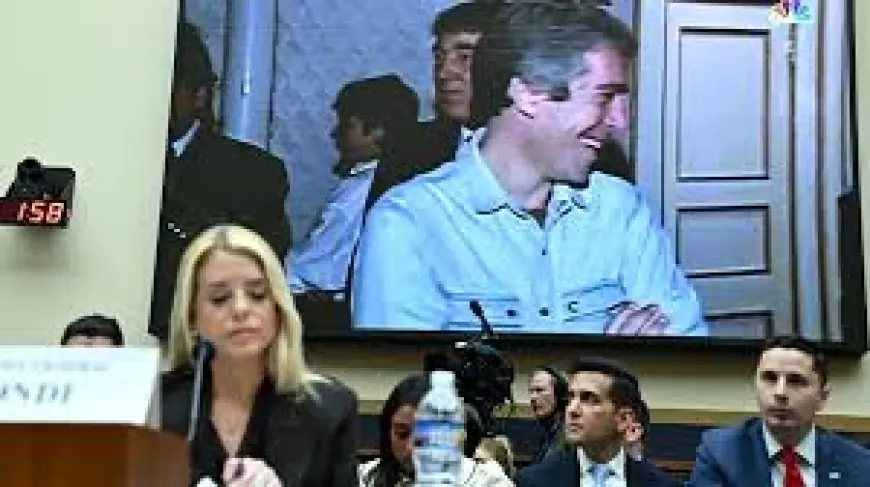
The House Judiciary Committee hearing this week produced sharp exchanges and renewed outrage over the Justice Department’s handling of documents tied to the Jeffrey Epstein investigation. Survivors seated in the gallery and lawmakers on both sides of the aisle criticized how sensitive materials were released, while the attorney general’s conduct at the hearing drew particular condemnation.
Combative testimony and pointed barbs
The attorney general’s appearance in the committee room was marked by an unusually confrontational tone. Lawmakers said she declined to apologize to victims for the department’s previous handling of Epstein-era materials and instead demanded that Democrats apologize to the president. Her remarks included direct insults aimed at members of the committee; on multiple occasions she mocked opponents with schoolyard epithets and even touted an unrelated stock-market milestone in response to a question she disliked.
Survivors who attended the hearing described the scene as humiliating and retraumatizing. Witnesses who have long sought clarity and accountability for how evidence and investigative files were handled expressed anger that their experiences were met with derision rather than contrition. The performance by pam bondi drew fierce criticism from advocates who say the Justice Department should have prioritized protecting victims’ privacy and dignity.
Unredacted images and selective secrecy
The document release itself has become a focal point for criticism. Justice Department staff uploaded dozens of files that contained unredacted images, including nude photographs of young women and possibly teenagers. Advocates called the accidental exposure of such material a profound failure to safeguard victims and an egregious breach of trust for women who had already endured years of legal and public scrutiny.
At the same time, lawmakers who have reviewed the records say a large portion of the material remains heavily redacted. Nearly 80 percent of the released content continues to conceal names and identifying details, including the identities of multiple wealthy and well-connected individuals. The mismatch — carelessness that exposed private images alongside vigorous protection of certain reputations — has intensified allegations that the release was managed in a way that shields elites while further victimizing survivors.
Questions of authority and next steps
Critics note that the attorney general had the authority to make the records public earlier but only did so after congressional pressure compelled the department to act. That delay, combined with the flawed execution of the release, has prompted calls for explanations about internal procedures and decision-making. Survivors and some lawmakers are pressing for immediate reforms to public-records protocols, stronger vetting before material is posted online, and a public accounting of how redaction decisions were made.
Representative Thomas Massie and Representative Ro Khanna, both involved in securing the release of the files, have reviewed unredacted portions and highlighted the degree of continued secrecy. Survivors who testified at the hearing, including those who previously spoke in high-profile trials related to Epstein’s network, said the department’s actions have compounded the harm they have already experienced.
Legal and congressional actors are expected to pursue further oversight measures. Calls for briefings, additional document disclosures with proper privacy protections, and potential internal investigations of how the releases were handled have been voiced by lawmakers. For victims and advocates, the immediate demand is simple: safeguards that prevent further exposure and a transparent explanation for what went wrong.