



















Why James Van Der Beek’s Family Needed Public Help to Cover Medical Costs

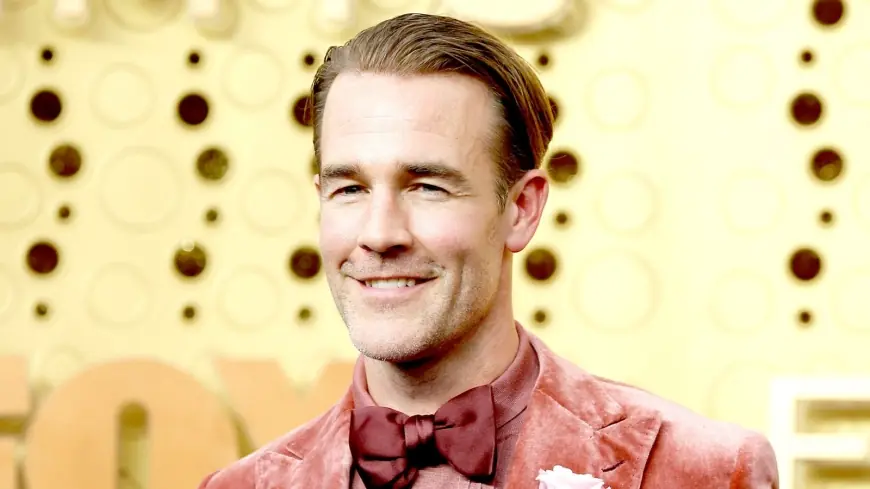
James Van Der Beek, the actor best known for his role as Dawson in a late-1990s teen drama, died on Wednesday at the age of 48 after a three-year struggle with colorectal cancer. In the months and weeks before his death his family made clear that the costs of his care had become a severe financial burden, prompting friends to launch a public fundraising appeal that has drawn millions in donations.
Medical bills, fundraising and treasured memorabilia
The family’s fundraising effort was created by friends to help Van Der Beek’s wife and six children manage day-to-day expenses and the costs tied to his care. Organizers said the campaign was intended to preserve the family home and support the children’s education while they cope with the loss. The appeal had raised more than $2. 3m in a short period, with contributions from a mix of private donors and well-known industry figures.
In the months before his death, Van Der Beek had been candid about the financial strain cancer treatments imposed. He sold or auctioned items he had kept from his career—costumes and mementos from roles that defined his public life—in an effort to generate cash. Those sales underscored the difficult choices facing many families confronting long-term illness: liquidate sentimental assets or face mounting bills.
Contracts, residuals and gaps in earnings
Van Der Beek has long spoken about the limits of what he earned during the height of his television success. He said he received little from one of his breakthrough shows and that his original contract did not include residual payments—ongoing fees paid when work is rebroadcast. That absence of residual income has left some performers with far weaker long-term earnings than peers from the same era who negotiated more favorable deals.
The shift away from traditional revenue streams has compounded the problem. Actors who once relied on syndication checks or steady rerun payouts now face far smaller returns as viewing habits move to streaming and licensing models that alter how performers are compensated. Fellow actors have noted that these revenue changes have reduced the safety net many performers once counted on.
Insurance thresholds and the reality of ongoing work
Health coverage tied to acting work is subject to eligibility thresholds that many performers find difficult to meet. To qualify for health benefits through the main performers’ union, actors typically must meet minimum days worked or earnings on union productions in a year. For performers who work sporadically or accept small paydays—common realities for many who move between stage, television and film—those thresholds can be out of reach.
Van Der Beek continued to take acting jobs after his diagnosis, but it was unclear whether that work met the thresholds necessary for union-based insurance eligibility. The combination of limited residual income, expensive medical treatment and uncertain access to employer-style benefits created a precarious financial picture for his family.
The circumstances of Van Der Beek’s final years have drawn attention to broader conversations about how the industry supports—or fails to support—performers facing serious illness and the long-term financial planning available to those whose early careers offered fame but not enduring financial security. For his family, the immediate challenge will be converting the public goodwill into stable support as they move forward without him.