






















Rupert Lowe launches Restore Britain party after split from Reform UK

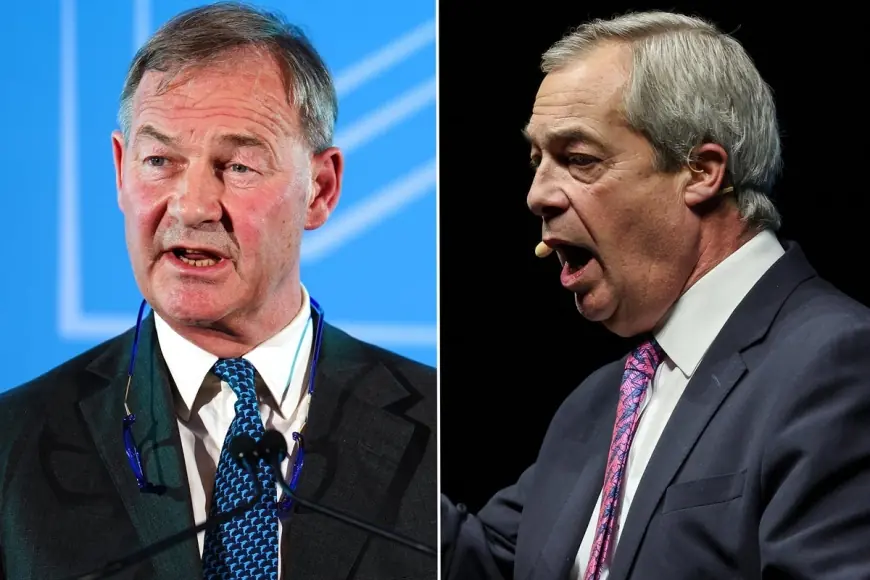
Rupert Lowe, the MP for Great Yarmouth who was elected as a Reform UK candidate in July 2024 and now sits as an independent, formally launched a new political party on Friday night (ET). The organisation, Restore Britain, was initially announced as a political movement but has now been positioned as a national umbrella party that will partner with locally based groups.
Restore Britain positioned as an umbrella for local groups
Lowe says Restore Britain will act as a national vehicle for locally focused parties and campaigns. He is expected to contest the Great Yarmouth seat again with Great Yarmouth First, a local outfit that will be listed as a partner under the new party arrangement. The structure is being pitched as flexible: local parties would retain their identities while benefiting from national coordination, messaging and support.
The move marks a shift from the movement model Lowe established after his exit from his former party. The decision to convert that movement into a formal party follows a period of internal disagreements and public rows that culminated in his suspension from the party last March. Lowe has described his split as rooted in a belief that mainstream politics is out of touch with many voters in towns such as Great Yarmouth.
Controversy, departures and electoral ambitions
Lowe’s suspension from his former party came amid allegations he made threats against the party’s chairman; the Crown Prosecution Service later concluded there was insufficient evidence for a realistic prospect of conviction. Lowe has denied the allegations and accused his former colleagues of conducting a "brutal smear campaign. " His departure was publicly fractious and at times personal, including a series of leaked private messages that highlighted tensions with senior figures in his former party.
Senior conservative figures who were previously involved in an advisory role with Lowe’s movement are reported to be stepping away now that Restore Britain has converted into a national party. Two high-profile names who had been associated with the advisory board have signalled their intention to end their involvement following the relaunch. Lowe’s team argues the party’s independence and local-first approach will appeal to voters who feel neglected by Westminster.
Political observers note Lowe’s reputation as a maverick MP who is not always collegiate in his approach. Private poll figures circulated in recent political briefings suggest he retains a base of support in Great Yarmouth and that, in a crowded field on the right, an independent-minded party might find traction. Lowe’s backers are banking on that local strength translating into a broader national footprint through partner organisations.
What this means for local and national politics
Locally, the immediate implication is that voters in Great Yarmouth could see Lowe stand under a new banner while continuing to emphasise local priorities and independence from mainstream party discipline. Nationally, the party’s formation adds another player to an already crowded right-of-centre landscape. Restore Britain’s appeal will likely hinge on whether it can forge durable partnerships with other local groups and on Lowe’s ability to broaden support beyond his home constituency.
For opponents, the party’s establishment could split votes on the right in certain areas; for supporters, it offers an alternative for voters disillusioned with existing options. As the new party begins to field candidates and articulate policy beyond the local-first framing, its electoral impact will become clearer. For now, Lowe’s relaunch signals continued ambition and a willingness to pursue a bespoke political path shaped by local alliances rather than established national machines.