

























Pressure Mounts to Remove Dublin Airport Passenger Cap After EU Opinion Raises Legal Uncertainty

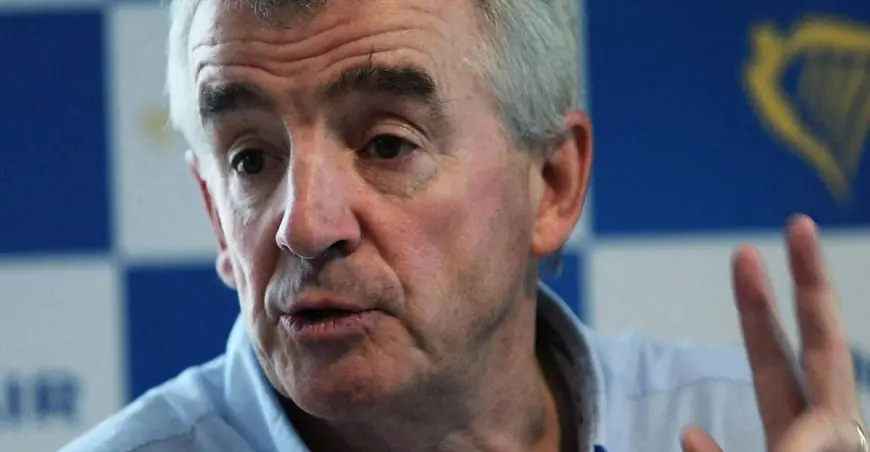
Calls are intensifying for the Irish government to move swiftly to abolish the long-standing 32 million passenger cap at Dublin Airport, amid fresh legal uncertainty and warnings from airline executives that delay could harm the country's connectivity. The debate has widened beyond transport policy to touch on diplomacy and commercial confidence, with industry figures pressing for decisive action ahead of high-profile political engagements.
Advocate General opinion clouds legal picture
An opinion issued by the Advocate General of the European Court has complicated efforts to remove the airport cap by suggesting that an outdated traffic limit may still be legally enforceable. Legal experts say the advisory ruling does not itself set binding law but signals that national caps cannot be assumed defunct simply because they are out of step with current planning assumptions.
The potential for a lingering legal constraint has renewed urgency among carriers and airport planners, who warn that uncertainty over permitted throughput could distort investment and route planning. Executives have argued that clarity is needed now to secure long-term commitments from airlines and support expansion of dublin airport flights that many say are essential for tourism and business links.
Political pressure, external influences and commercial stakes
Critics of the government's handling of the issue say freeing air traffic limits has been delayed by concerns over political fallout, including fears of adverse reactions from international partners. Some voices contend that decisions appear shaped more by the prospect of external reprisals than by a domestic strategy for transport capacity and economic growth.
Prominent airline leaders have publicly urged the Taoiseach to pass legislation to abolish the cap without delay, with one executive pressing for action before St. Patrick's Day (March 17 ET) to avoid disruption during a typically busy period for transatlantic travel. Others have highlighted the timing of the government’s diplomatic calendar, saying the matter should be settled before imminent high-level meetings abroad to prevent it becoming a talking point in bilateral discussions.
Opponents of the cap's removal warn of environmental and planning consequences if passenger numbers are allowed to expand rapidly without concurrent investment in infrastructure and community supports. Supporters counter that the existing limit is an artificial constraint that has hindered Ireland’s competitiveness, arguing that modernisation and growth can be managed through regulated, phased expansion rather than immutable caps.
Implications for passengers, airlines and infrastructure
If legislation to lift the cap is passed, airlines say passengers could benefit from more routes and greater frequency, easing connections to North America and continental Europe. But the Advocate General’s opinion means any legislative change will need to be carefully drafted to withstand legal challenge and to align with European law on single-market aviation.
Airport authorities and airlines also stress that removing the cap is only one part of the equation. Significant investment in terminal capacity, surface transport links and environmental mitigation measures will be required to handle sustained growth in dublin airport flights. Without those parallel upgrades, expanded passenger numbers could exacerbate congestion and community concerns about noise and pollution.
The government faces a politically sensitive balancing act: placating commercial actors demanding immediate reform, while responding to environmental and local stakeholders who seek firmer guarantees on how growth will be managed. With legal advice casting doubt on the ease of simply discarding an old limit, ministers will need to weigh legal resilience, international relations and domestic priorities as they decide the next steps.