

























Access Denied: Coverage Clash Intensifies Ahead of india vs pakistan Fixture

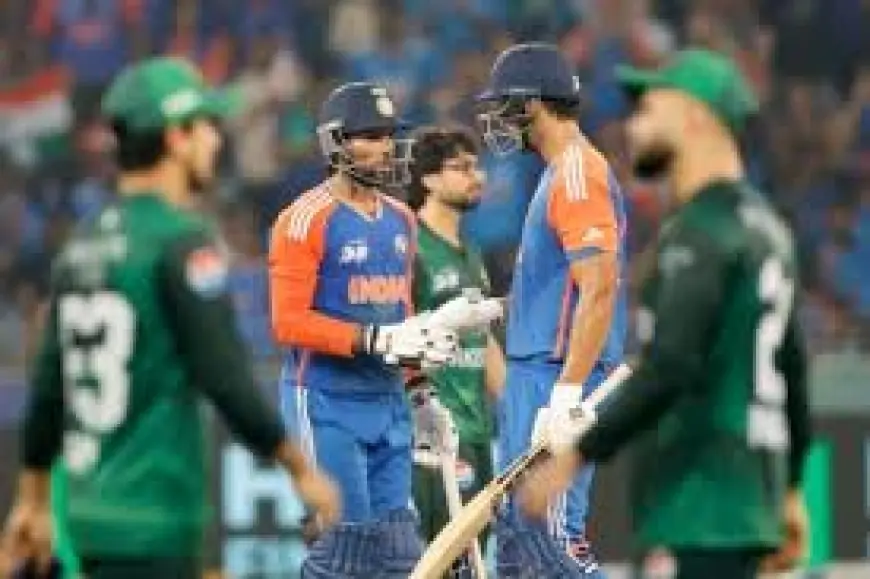
The long-running cricket rivalry between India and Pakistan has once again spilled beyond the boundary ropes. A sudden technical outage on a major cricket news portal and a high-profile columnist's refusal to cover the fixture have combined to reignite debate about whether the fixture is sport at its best or a burdensome spectacle. The discord is now shaping broadcaster and editorial planning in the run-up to the next meeting.
Technical hiccup disrupts digital coverage
In the early hours before the match, a prominent cricket website returned an access error that prevented readers from reaching match pages and statistics. The outage was brief but visible, leaving fans and journalists scrambling for alternative sources of live data and commentary. The interruption highlighted how reliant modern coverage has become on a handful of digital platforms for real-time reporting, scorecards and archival material.
For fans accustomed to instant updates, the error was a reminder of fragility in the digital news chain. Platform operators and editorial teams face mounting pressure to ensure redundancy and robust delivery when interest spikes. Technical failures during marquee fixtures carry reputational risk as well as commercial consequences, particularly when millions of viewers converge on a single game-day event.
Journalist backlash and the ethics of spectacle
The outage was quickly eclipsed in the debate by a blunt editorial intervention: a veteran columnist declared a personal unwillingness to cover the india vs pakistan fixture, calling the encounter a "miserable, toxic spectacle" and preferring to report on less charged events. That sharp dismissal has provoked strong reactions across the cricket community.
Supporters of the columnist argue that the column exposed an important truth — the fixture often transcends sport and becomes a proxy for broader national and cultural tensions, placing journalists in uncomfortable positions. Critics counter that the rivalry also produces some of the sport's most memorable moments and that refusing to engage undermines the duty to report accurately on major sporting events.
The controversy taps into a larger conversation about journalistic responsibility. Is it acceptable for columnists and commentators to step back from assignments they view as ethically or emotionally fraught? Or does that abdication cede narrative control to more sensationalist voices and social platforms, which can amplify hostility and reduce nuance?
What this means for broadcasters, boards and fans
Organisers and broadcasters now face a twofold challenge: safeguard the technical infrastructure that supports global coverage and navigate the editorial minefield that surrounds the fixture. Rights holders must balance commercial incentives against the potential social impact of framing and amplification.
Fans, meanwhile, remain the constant. For many, india vs pakistan is a rare sporting meeting colored by deep-rooted passion, and that passion drives viewership, sponsorship and grassroots interest. For others, the fixture's intensity produces an atmosphere that is difficult to disentangle from politics and rivalry, raising legitimate concerns about safety and responsible coverage.
As the fixture approaches, stakeholders will be watching not just the play on the field but how media organisations, digital platforms and commentators manage the narrative around it. The twin reminders of a site outage and vocal editorial resistance have made clear that in the modern era, effective coverage requires both technical resilience and a considered editorial stance that acknowledges the match's unique social footprint.
Whether that balance can be struck — giving fans the comprehensive reporting they expect while avoiding the pitfalls of spectacle — will shape public debate long after the final ball is bowled. Coverage plans and contingency measures announced in the coming days will signal how seriously the industry is treating the twin challenges of access and accountability.