




















The shocking, rule-breaking new move in pro wrestling: getting specific about politics

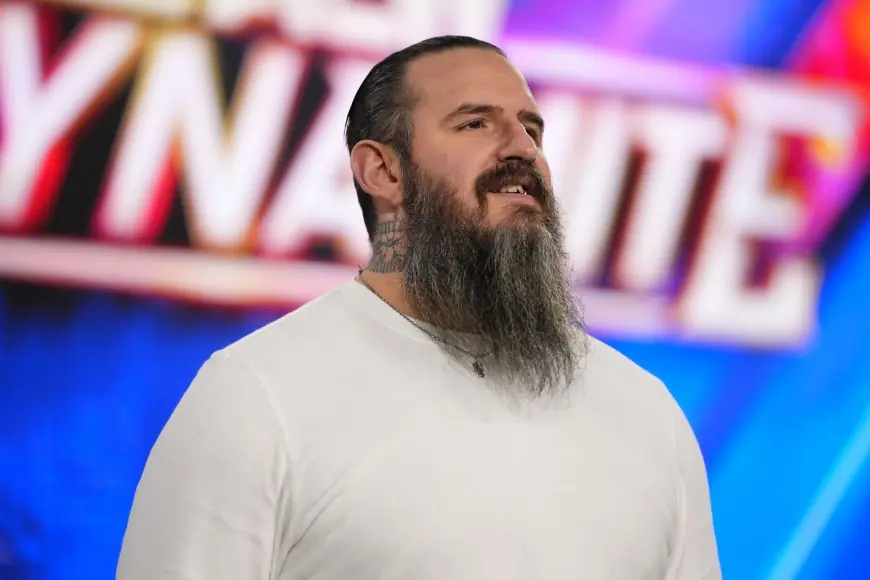
Anti-immigration-enforcement chants at a marquee wrestling card have turned an in-ring moment into a corporate headache, sidelining a prominent talent from a broadcast and reopening a debate about how explicitly political expressions are handled in sports entertainment.
Chants, silence and a missing star
At a February live event in Las Vegas, crowds interrupted the pre-match atmosphere by chanting "F--k ICE" just before a main event featuring a top champion and his challenger. The chant stunned the wrestlers and commentary team and reverberated across social feeds in the hours that followed. In the promotion's next televised show on Feb. 10, both athletes were notably absent from the broadcast, fueling speculation in the wrestling world. The champion and challenger remain listed for a marquee international card that premieres on Feb. 14 at 8 p. m. ET, where the chant reportedly resurfaced.
Business pressure or editorial caution?
The fallout has centered less on storyline and more on corporate risk. Longtime wrestling commentator Dave Meltzer suggested the decision to withhold the challenger from one broadcast was influenced by concerns higher up the distribution chain, saying, "This is not a Tony call... Nobody wants to get on Trump's bad side. " Later commentary softened claims that there was an explicit directive, but the episode highlighted how commercial relationships and regulatory scrutiny can shape programming choices.
Multiple observers note the awkward alignment: a promotion that has cultivated a distinctly contemporary tone is now navigating shareholder interests, broadcast standards and the sensitivities of its audience. That creates a test case for how far promotions and their partners will permit political messaging inside arenas — especially messaging that targets federal agencies or elected officials.
Wrestlers, fans and the politics of the ring
The challenger at the center of the controversy has been openly critical of immigration enforcement in the past, wearing an "Abolish ICE" shirt to appearances and organizing fundraising in response to immigration raids. For many performers, the blend of political activism and performance is a deliberate extension of character; for fans, chants are a direct, live expression that can be difficult to control once a crowd embraces them.
Meltzer warned that the moment is unlikely to be a one-off: "When he comes back, it will happen again, " he said, predicting repeated crowd disruptions if fans remain motivated. Promoters now face a choice: enforce tighter censorship and risk alienating an engaged, politically minded portion of their audience, or lean into the controversy and accept potential downstream consequences with broadcasters and corporate partners.
The incident also reopens long-running discussions about the broader industry's political coloring. Rival promotions have at times been characterized as appealing to different cultural or political constituencies, and this episode underlines how visible political stances by performers can become part of that positioning — whether intentionally or not.
What happens next will test both the limits of performer expression and the appetite of corporate stakeholders for politically charged moments in live entertainment. For now, the chant that began as a spontaneous fan eruption has become a measuring stick for where sports entertainment draws the line between spectacle and politics.