NPR: Promising Drug Advances Treatment for Preeclampsia Pregnancy Complication

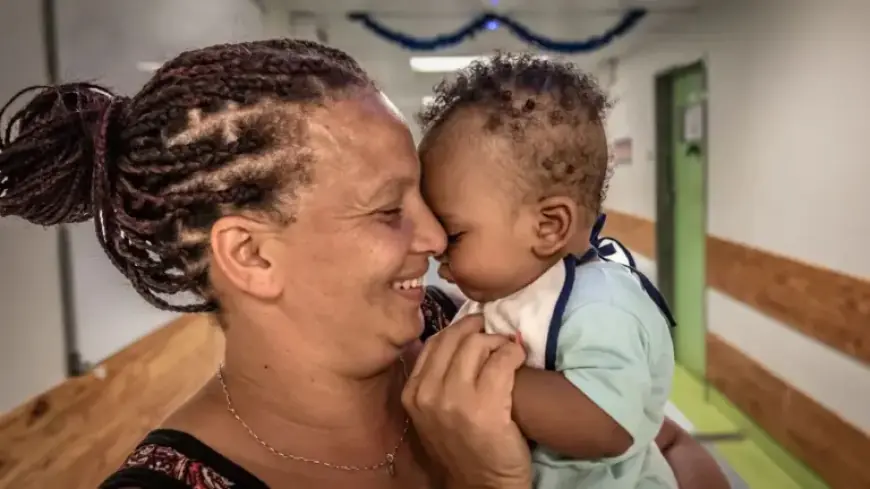
Abigail Hendricks, a mother from Cape Town, South Africa, experienced a life-threatening pregnancy complication known as preeclampsia during her fifth pregnancy. Her journey illustrates the complexities surrounding this condition and the significant advancements in treatment, particularly a promising drug developed by DiaMedica Therapeutics.
Understanding Preeclampsia
Preeclampsia is a serious complication of pregnancy characterized by high blood pressure and damage to organs, primarily affecting the placenta. This condition can lead to severe health risks for both mother and baby, including seizures, organ failure, and maternal mortality, which claims at least 42,000 lives annually worldwide.
The Challenges of Preeclampsia
For Hendricks, high blood pressure was already a concern before her pregnancy. By the time she reached her third trimester, she experienced alarming symptoms including severe headaches and visual disturbances, ultimately leading to a diagnosis of preeclampsia.
Innovative Treatment Approaches
Cathy Cluver, an obstetrics and gynecology professor at Stellenbosch University, heads a research team investigating new treatments for preeclampsia at Tygerberg Hospital. This facility specializes in high-risk pregnancies, handling approximately 8,000 to 9,000 deliveries each year.
- Preeclampsia can cause dangerous swelling and complications in various organs.
- Conventional treatments often lower blood pressure but may reduce blood flow to the baby.
- Cluver aims to find a treatment that benefits both mothers and their babies.
Introduction of DM199
Two years ago, Cluver received a proposal from DiaMedica Therapeutics regarding DM199, a drug initially developed for stroke treatment. After initial skepticism, her research team decided to conduct trials to test its efficacy on pregnant women facing severe hypertension.
As the research progressed, the drug demonstrated promising results. The 16th participant in the trial showed noticeable stabilization of blood pressure, leading to excitement and further trials.
Promising Outcomes and Future Directions
Research nurse Jacqui Thake highlighted the encouraging early results. The drug stabilized blood vessel linings, potentially improving outcomes for both mothers and their infants. The drug does not appear to cross the placenta, thus minimizing risks for the baby.
Experts like Corneila Graves and Kara Rood, who were not involved in the trial, expressed optimism but advised caution. They noted the need for larger studies to confirm results and explore impacts on patients earlier in pregnancy.
Abigail Hendricks’ Journey
Hendricks, patient number 24 in the trial, recalls the emotional experience of her pregnancy. After starting the new medication, her blood pressure improved, leading to the successful delivery of her son, Hayden. She expressed overwhelming joy at having a healthy baby and a safe outcome.
As research continues on this groundbreaking treatment, pregnant women facing preeclampsia may find renewed hope through the advancements at Tygerberg Hospital and the ongoing efforts of dedicated medical professionals.