






















New ‘Wuthering Heights’ Film Splits Opinion Over Tone and Ending

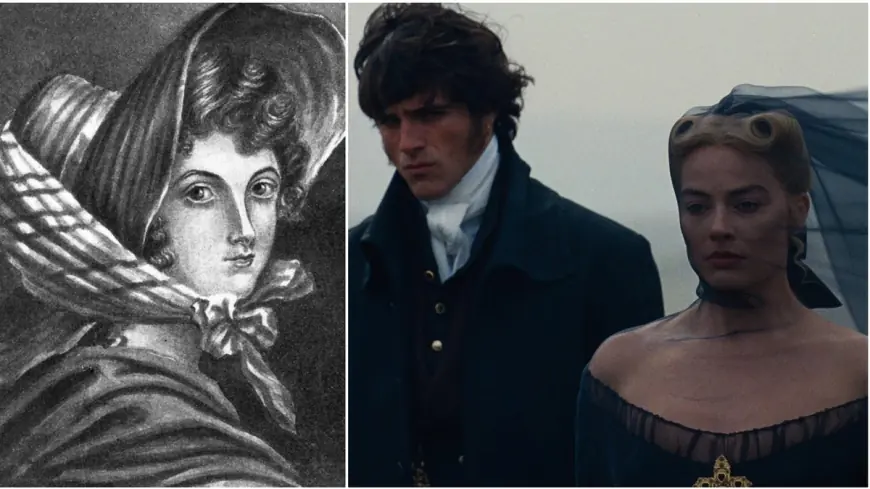
Emerald Fennell’s bold new adaptation of Wuthering Heights opened this weekend (Feb. 14–15, 2026 ET) and has already become a flashpoint for debate. While some praise the film’s visual palette and lead performances, criticism centers on its dramatic choices—most notably its truncated ending and the reshaping of the story’s moral and emotional architecture.
How the film reshapes Brontë’s multigenerational sweep
Brontë’s novel unfolds as a layered narrative that tracks a destructive, obsessive bond between Catherine and Heathcliff and then follows the fallout across a subsequent generation. Fennell’s film narrows that scope dramatically. Rather than charting the novel’s full aftermath, the movie settles on the arc that culminates in Catherine’s death. In the film, Catherine suffers sepsis and an apparent miscarriage; the infant who would have become Cathy in the novel never arrives. The choice effectively ends the story where many screen versions have historically paused, but with a darker, more intimate focus on loss.
That decision has immediate consequences for the story’s moral geometry. In the book, the second-generation plotline offers a form of redemptive counterweight: the younger characters, living within the wreckage left by their elders, find ways to heal and to imagine a different future. By excising that thread, the film concentrates powerfully on obsession and grief, but it also removes the restorative arc that many readers identify as essential to the novel’s final meaning.
Reaction: fidelity, strangeness and whether the romance survives
Critics are divided on whether Fennell’s compression strengthens or diminishes the material. Supporters argue the film’s tighter focus allows the leads’ chemistry to register as immediate, almost feverish, and that shifting to a more stylized palette and a contemporary sensibility underlines the story’s emotional extremity. Detractors counter that the adaptation softens the novel’s essential strangeness—the mix of ugliness, obsession and unexpected tenderness that makes the original feel both brutal and unforgettable.
Some viewers describe the film as visually intoxicating yet emotionally uneven: vivid set pieces and a lustrous central romance are followed by an abrupt moral silence when the generational consequences are removed. For those who regard Wuthering Heights as the greatest of love stories precisely because its love both destroys and, eventually, redeems, that silence is a serious loss. For others, the film’s narrowed focus intensifies the tragic core, refusing to dilute the immediate force of Catherine and Heathcliff’s entanglement with the consolation of later reconciliation.
The director’s choices and what might come next
Fennell has framed her approach as a deliberate act of selection: to adapt what she connected to most closely—Catherine and Heathcliff’s relationship—within the constraints of a two-hour film. She has said the book’s density forced hard cuts and that she doesn’t envision a sequel that would pick up the excised material. This leaves the film to stand as a single, self-contained interpretation rather than an attempt to encompass the novel’s full generational architecture.
The result is an adaptation that will likely continue to polarize. It foregrounds the magnetic destructiveness at the heart of the story while sacrificing the restorative afterlife that gives the novel its peculiar moral balance. For viewers seeking a cinematic condensation that doubles down on passion and pain, the film delivers. For those looking for the novel’s layered mediation on inheritance and redemption, the conclusion will feel incomplete.
Either way, the new Wuthering Heights has reopened familiar debates about fidelity, interpretation and what counts as the novel’s heart—a reminder that every retelling reshapes the text it takes as its source.