




















Wrestling's political tightrope: fans' chants, sidelined stars and corporate caution

Anti-ICE chants at recent events have pushed professional wrestling into the center of a political debate, with a top performer left off broadcasts and industry insiders warning that business pressures are reshaping how promotions handle overt political messaging. The tug-of-war highlights the growing intersection of politics, corporate ownership and live entertainment.
Chants, absences and an escalating controversy
The dispute began when crowds at a high-profile arena show began chanting “F**k ICE” before a main event featuring Brody King and Maxwell Jacob Friedman. The slogan—aimed at federal immigration enforcement—echoed through the venue and surprised wrestlers and commentators alike. The chant resurfaced when the same pairing headlined an international event days later.
In the aftermath one broadcast omitted both King and his opponent, prompting debate about whether the absence was a creative decision, a scheduling choice, or a response to the political outburst. A prominent wrestling columnist suggested the promotion’s distributor pushed for the change to avoid airing profanity-laced political chants. Promotion leadership and the distributor later pushed back, insisting no formal directive had been issued, but the episode has nonetheless stoked speculation that corporate partners are monitoring politically charged moments more closely than ever.
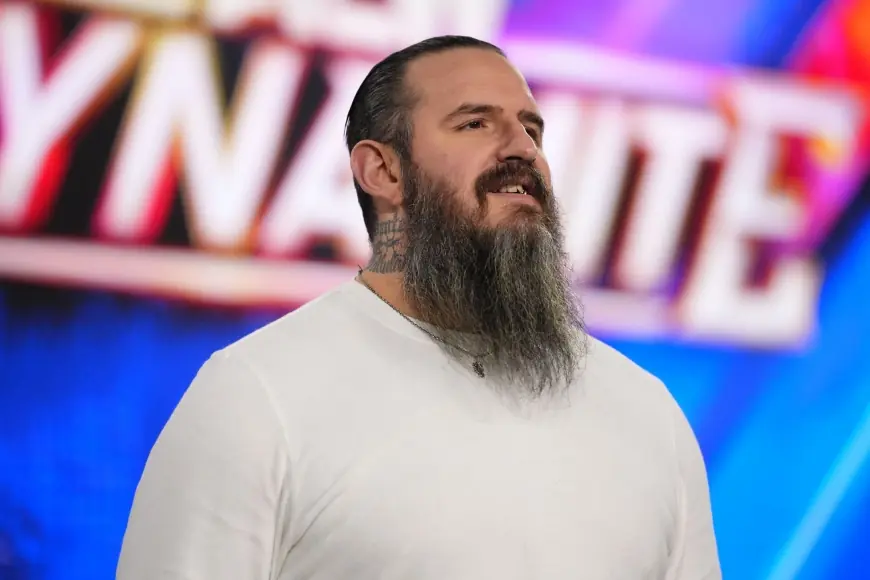
King has been openly critical of ICE and U. S. immigration policies for some time—wearing an “Abolish ICE” shirt at events and launching fundraising efforts in response to raids—making him an obvious lightning rod when fans express political anger in the arena.
Corporate stakes, regulatory scrutiny and creative limits
Industry observers say the controversy can’t be separated from the business realities around major media rights deals and ownership stakes in wrestling promotions. When a promotion shares deep corporate ties with broadcasters or is entangled in multimillion-dollar negotiations, executives and distribution partners may be more wary of airing content that could complicate those deals or trigger regulatory attention.
Executives in and around the industry are said to be sensitive to how political content might affect pending corporate transactions and reviews by federal regulators. That sensitivity can manifest as stricter vetting of live chants, advance delay systems, or decisions to pull talent from certain broadcasts—moves that are governed as much by legal and commercial calculus as by creative considerations.
The fear is twofold: overt political speech can alienate advertisers and negotiating partners, and it can draw unwanted regulatory scrutiny when major mergers or sales are on the line. Even absent explicit directives from corporate owners, this environment encourages self-censorship and conservative programming choices among promoters who rely on national broadcasts and distribution deals.
What this means for fans, wrestlers and the show
For fans and performers, the episode crystallizes a long-simmering tension. Wrestling has often trafficked in topical themes and real-world heat, and some wrestlers have long used the platform to voice personal politics. Meanwhile, the sport’s history includes crossover with high-profile political figures and donors, a fact that makes the business inherently porous to partisan framing.
Some insiders believe the chants will recur whenever the wrestler returns to televised events; others warn that promoters will increasingly rely on bleeping, tape delays and editorial cuts to shield partners from fallout. The broader consequence is a narrowing of what can be expressed in arenas that depend on national broadcast partners and corporate stakeholders for their growth.
The clash between fan-driven political expression and corporate caution is likely to remain a defining storyline for wrestling in the months ahead. How promotions balance raw audience energy with the demands of commerce and regulation will shape not just programming choices, but the very culture of the sport.