




















Bad Bunny halftime show backlash fizzles after federal review finds no profanity in live set

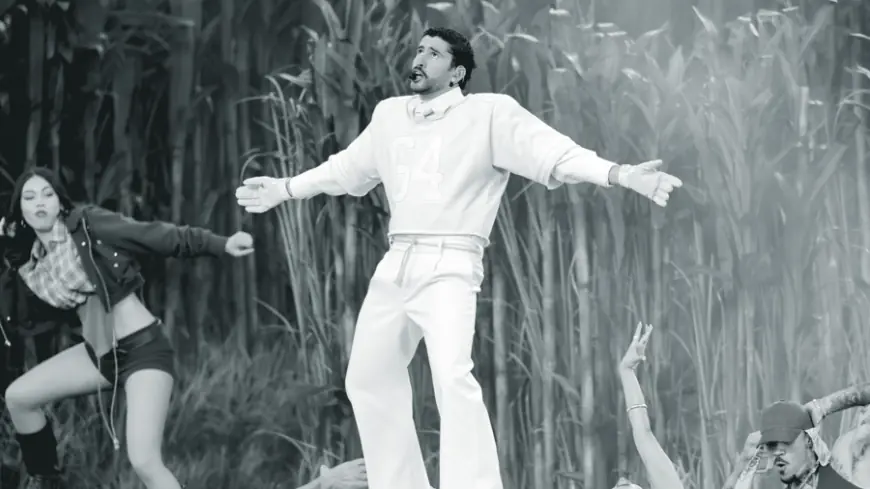
Federal scrutiny into the controversy over Bad Bunny's Super Bowl halftime performance has concluded that the live set did not include the explicit lyrics that fueled a rapid online and political backlash. The finding undercuts attacks from some elected officials and commentators who demanded regulatory action after shared posts claimed profane language was broadcast to millions.
Outrage centered on alleged profanity that was not performed
In the immediate aftermath of the halftime show, social media was flooded with clips and screenshots claiming the artist used explicit sexual language on live television. The claims escalated quickly into condemnations from public figures, including a congressman who declared the performance "illegal" and called for fines and license reviews. The same official used incendiary language in follow-up posts calling for harsh measures against those who supported the artist.
Much of the criticism relied on lyrical snippets that were either taken from uncensored studio versions or that had been altered in viral posts. That distinction matters because the songs the artist performed during the broadcast had been edited for the live show, and the set list itself omitted lines present in some released recordings.
Federal review finds no actionable violation; controversy lingers
The federal agency that oversees broadcast indecency examined the performance and determined that the televised set did not include the sexual references and profanity cited in many online condemnations. The review concluded the on-air renditions of the songs were stripped of the explicit language that appears in some recorded versions, and the agency closed out the scrutiny without pursuing enforcement action. The inquiry was effectively shelved on Friday (ET).
Officials who pushed for penalties have not uniformly walked back their claims. Some posts blaming the performer for airing indecent content remain widely shared, and corrections have been limited. The episode highlights a broader dynamic in which rapid online amplification can create a narrative that outpaces fact-checking and regulatory follow-up.
Political fallout and the spread of misinformation
Observers say the incident underscores how cultural flash points can be weaponized in political debates. The outrage cycle combined mistranslated or out-of-context lyrics, viral resharing, and inflammatory commentary to create pressure on regulators and broadcasters. By the time the federal review found no basis for fines or license reviews, the narrative had already taken hold in parts of the political media ecosystem.
Cultural and linguistic misunderstandings played a role as well. Several commentators who denounced the performance do not speak the language in which the artist primarily sings, and critics cited song lines from studio recordings that were not performed during the live broadcast. Those errors fed a feedback loop in which unverified claims were amplified rather than checked.
For broadcasters and regulators, the episode represents a reminder that live national events will continue to be scrutinized intensely and instantly. For elected officials, it raises questions about haste and verification before demanding punitive measures. The artist's set list—composed of songs with both edited and explicit versions—created an ambiguous terrain that was resolved only after a formal review, by which time the political damage had been done.
The broader debate over decency standards and live entertainment is unlikely to fade quickly. But in this instance the federal determination that the broadcast did not contain the cited explicit language has undercut the most severe calls for sanctions and left critics facing scrutiny for spreading misinformation that sparked nationwide outrage.