

























DOJ Antitrust Shake-Up Opens Merger Opportunities in Trump’s Washington

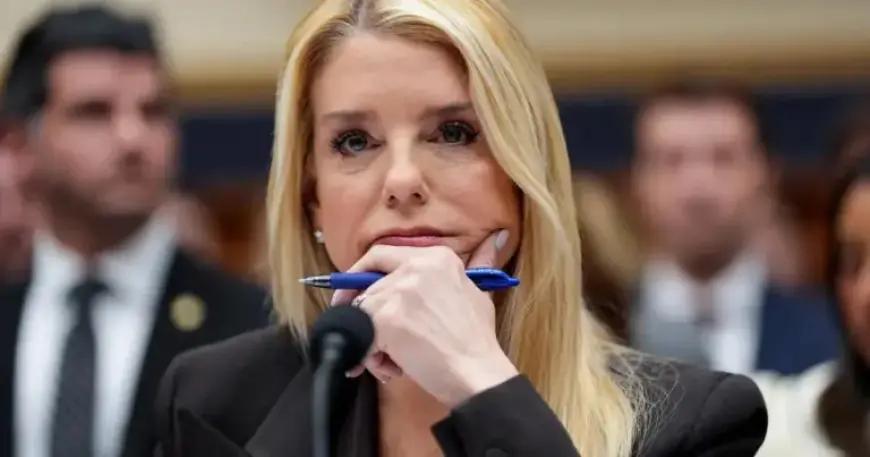
The recent dismissal of Justice Department Antitrust Chief Gail Slater marks a significant shift in Washington’s approach to corporate mergers. This development signals a renewed openness to business deals under the Trump administration. Companies are now finding themselves in a more business-friendly regulatory environment, moving away from previous populist sentiments.
Changes in Antitrust Regulations
The removal of Slater is indicative of a broader strategy adopted by the White House. This strategy prioritizes corporate interests over those of populists who had previously advocated for stricter regulations on corporate consolidation.
A Year of Transition
Last year, corporate lawyers were adjusting their strategies, responding to concerns from the Trump campaign about corporate giants in technology and healthcare. The populism that defined candidate Trump’s rhetoric has shifted to a more traditional Republican stance. This evolution may not surprise observers, especially with a deal-focused president in office.
Implications for Companies
With an environment more conducive to mergers, companies are advised to approach potential deals with fresh proposals to address antitrust concerns. According to Tim Cornell, an antitrust lawyer at Debevoise & Plimpton, companies facing scrutiny should come prepared with remedies to smooth the approval process.
- Firms are encouraged to present solutions in merger discussions.
- New MAGA lobbyists are stepping in to facilitate transactions.
Focus Areas for Big Tech
In the realm of big tech, priorities have shifted from issues like online censorship to the urgent discussions surrounding artificial intelligence (AI). The industry, along with the White House, appears to be working collaboratively on these matters now more than ever.
Political Dynamics at Play
Vice President JD Vance, who was formerly Slater’s superior, has concentrated his efforts on other political aspects rather than engaging directly in antitrust disputes. Observers had anticipated a more substantial influence from Vance on these matters. However, the political landscape has evolved dramatically.
As the DOJ’s approach towards mergers and acquisitions becomes more flexible, firms must navigate this new landscape adeptly. Companies that can align with the current regulatory environment stand to benefit greatly in the reshaped marketplace of Trump’s Washington.