Union Warns of Over 700 Nursing and PSW Job Cuts in Ottawa

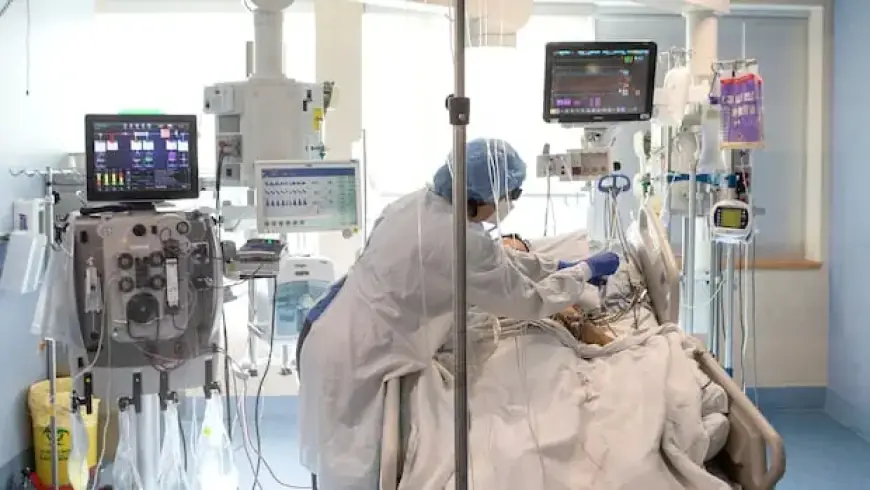
The Ontario Council of Hospital Unions (OCHU) has raised serious concerns regarding imminent job cuts and longer wait times in Ottawa’s healthcare sector. Their recent report forecasts that over 9,000 nursing and personal support worker positions may be eliminated by 2027-28, with Ottawa facing the loss of more than 700 of these roles. Additionally, the report predicts nearly 2,400 hospital bed closures throughout Ontario.
Implications of Potential Job Cuts
Michael Hurley, president of OCHU, warned that these cuts would lead to more patients waiting for admission. He emphasized that the quality of healthcare in hospitals could decline significantly as a result. The government’s current funding strategy includes a projected two percent annual increase for hospitals until the 2027-28 fiscal year. According to Doug Allan, a senior researcher with the Canadian Union of Public Employees (CUPE), this funding rate is insufficient for maintaining current hospital services.
Financial Concerns in Healthcare
- Five years ago, hospitals had $2 billion in working capital.
- Currently, many hospitals are in negative working capital.
- OCHU reports that the province must add 6,200 staffed beds to address urgent needs.
- A funding increase of $3.2 billion is necessary to maintain services and hire more healthcare staff.
The Ontario Ministry of Health has stated that $91.5 billion has been invested in healthcare for this year. However, critics argue that this funding is not adequately reaching hospitals, which often have to borrow money to pay employees. This situation raises fears about the potential shift towards privatized healthcare.
Concerns About Healthcare Privatization
Ontario’s NDP health critic, France Gélinas, expressed that the lack of funding isn’t by chance. She suggested it may lead to a public perception that privatization is needed, particularly as the government is now shifting some surgeries to private clinics.
Hurley agrees, noting that the government’s approach promotes a market model where only wealthy individuals might benefit from quicker access to surgeries. A study published in 2024 indicated that the rate of cataract surgeries in public hospitals has diminished following the expansion of publicly funded surgeries at for-profit centers.
Future Funding Needs
To ensure the sustainability of healthcare services, OCHU believes that annual funding must increase by six percent to keep pace with inflation. Hurley called on the Ford government to honor its commitment to eradicate hallway medicine in Ontario. He reiterated that adequate funding for hospitals at their real costs is vital for quality patient care.
As the situation develops, stakeholders and the public await the provincial government’s response to these pressing challenges in Ottawa’s healthcare system.