























Trump-Backed SAVE America Act by Mike Lee May Disenfranchise Voters

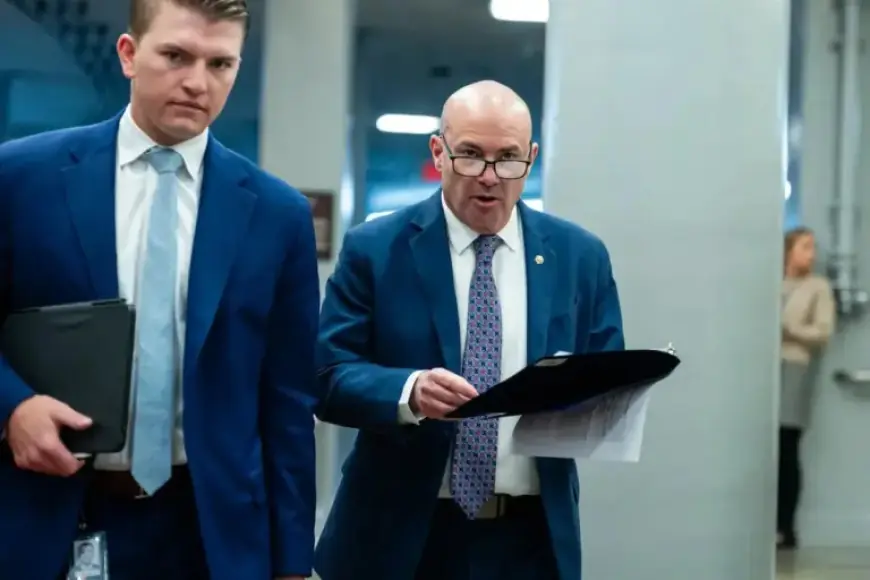
The SAVE America Act, supported by former President Donald Trump, is making headlines as it is presented in Congress. This legislation aims to impose new voting restrictions that critics claim may disenfranchise many eligible voters.
Overview of the SAVE America Act
The SAVE America Act mandates that individuals must provide proof of U.S. citizenship when registering to vote in federal elections. Additionally, it standardizes a requirement for voters to present photo identification before casting a ballot.
Impact on Voter Registration
State officials are raising concerns about how these requirements could complicate voter registration processes. Many states have recently made efforts to simplify registration, and the SAVE America Act could reverse these gains.
Groups Likely to be Affected
Several demographic groups may face challenges due to the new rules outlined in the legislation:
- Married women who have changed their names
- Naturalized citizens without matching identification
- College students and young voters at registration drives
- The elderly who prefer mail-in voting
- Military spouses voting from overseas
- Adopted individuals
- U.S. citizens living abroad
- Nondrivers who struggle to obtain identification
Opposition from Democrats
Democrats are overwhelmingly against the SAVE America Act. They argue that the legislation is designed primarily to limit voting access for specific groups, particularly low-income and rural voters. Representative Emilia Sykes highlighted that stricter voter-ID laws have led to reduced voter engagement, especially among communities of color.
Contentions over Electoral Integrity
Supporters of the bill assert that it will prevent noncitizens from voting, despite evidence indicating that this is a rare occurrence. According to a survey by the Brennan Center for Justice, noncitizen voting instances from 42 jurisdictions showed only 30 allegations out of 23.5 million votes cast.
Practical Concerns for Implementation
Should the SAVE America Act pass in the House, it still faces challenges in the Senate. Notably, even some Republicans express concerns over its implications for states’ rights in managing elections. Senator Lisa Murkowski criticized the timing of imposing new federal requirements just as states are preparing for upcoming elections.
Effects on Election Logistics
Critics warn that the SAVE America Act could disrupt Election Day operations. For instance, voters may encounter delays while poll workers navigate the new identification requirements. This could frustrate individuals trying to cast their votes promptly.
Conclusion
As the legislative process unfolds, the SAVE America Act stands at the intersection of electoral integrity and voter access. Stakeholders from both parties are scrutinizing its potential effects on American democracy, making it a crucial topic for the upcoming elections.