

























Nebraska Teen Who Asked a Boy to a Dance Was Murdered; Decades-Long Cold Case Reopened and Solved

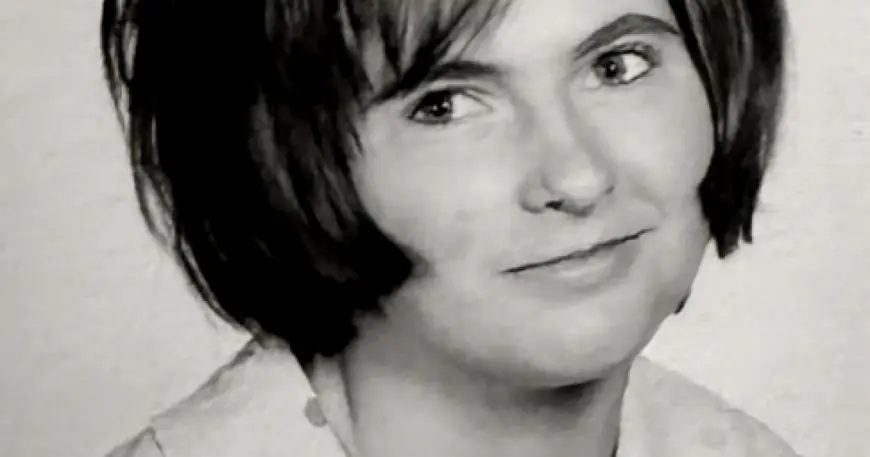
Seventeen-year-old Mary Kay Heese disappeared on March 25, 1969, after leaving school in Wahoo, Nebraska. Hours later her body was found beaten and stabbed beside a rural road. What began as a baffling homicide with few leads has, more than half a century later, seen investigators reopen the file and develop the evidence that led to an arrest.
The 1969 killing and the early investigation
On the afternoon she vanished, witnesses saw Mary Kay get into a car with two men near her home. For decades investigators were unable to identify those men or build a case that would stand in court. Files from the original probe show Mary Kay’s life in Wahoo: a shy teen who came from a strict household, eager to fit in at school. Friends and cousins recall her asking a cousin to be her date to the local Sadie Hawkins dance just one week before she went missing. The letter she wrote seeking a date is now part of the long record of the case.
Police in 1969 interviewed multiple local men, and two names surfaced repeatedly in the old files. One, a 22-year-old who worked at a slaughterhouse and was on parole at the time, moved in the same circles as Mary Kay. Another was described in records as someone who followed the first man and who was present in the community. But eyewitness descriptions and physical evidence available then were insufficient to close the case, and it went cold.
Renewed focus, modern methods and a breakthrough
In 2015, prosecutors reopened the investigation and assigned a criminal investigator to reexamine the paperwork, interviews and new leads. Investigators retraced Mary Kay’s last known movements and reinterviewed witnesses whose memories and relationships helped clarify previously murky accounts. Revisiting social ties and revisiting a known party spot outside of town provided a narrative investigators say fits the available facts: Mary Kay was driven to a rural area, attempted to flee, and was pursued and fatally attacked.
By combining interviews, archival evidence and contemporary investigative techniques, the cold-case team zeroed in on the two men long mentioned in the file. The renewed probe concluded that the slaughterhouse worker pursued Mary Kay when she tried to escape the car and that he stabbed her. The second man was characterized as an associate who followed the first and who played a role in taking Mary Kay to that remote location.
Those developments culminated in an arrest tied to the decades-old murder. Family members who had lived with the uncertainty for generations reacted with relief that the case did not remain frozen in time. For them, the reopening of the file and the movement toward formal charges has been a long-awaited step toward answers.
Family memories and the community’s long shadow
For Mary Kay’s younger cousins, she is remembered as a caring cousin who sometimes struggled with the pressures of adolescence but who wanted nothing more than to belong. They saved the letter inviting a cousin to the Sadie Hawkins dance and have kept her memory alive through the years. The small Nebraska town carried the weight of the unsolved killing through generations; the renewed investigation prompted renewed conversation about safety, justice and the lingering impact of trauma on families and communities.
Investigators who worked the reopened case described detective work as assembling a puzzle from worn pieces. The effort underscores how persistence, fresh eyes and updated methods can breathe new life into cold files. The case of mary kay heese is now moving from decades of uncertainty toward the possibility of formal accountability, offering a measure of closure for those who knew her and a reminder that some investigations do not end simply because time has passed.