
























Meryl Streep’s 2017 Golden Globes Speech Still Reverberates as a Lesson on Power and Decency

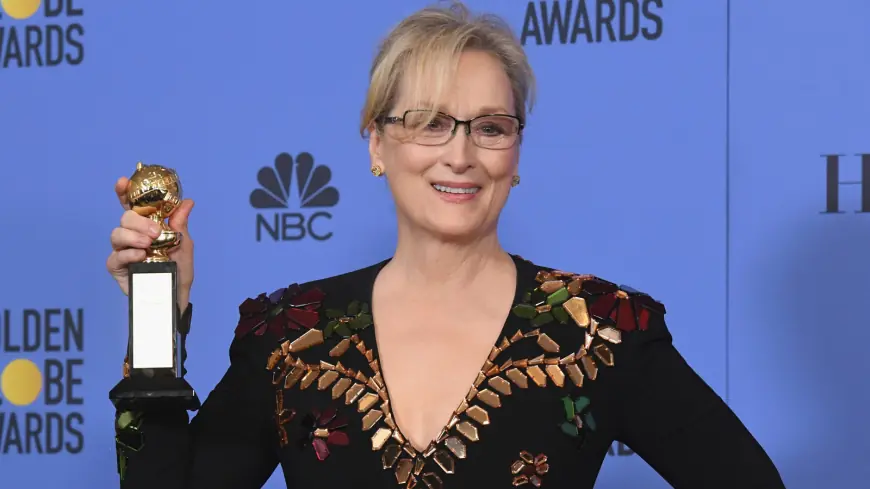
When Meryl Streep took the stage to accept a lifetime achievement honor at the 2017 Golden Globes, she used the moment to make a pointed, yet restrained, critique of behavior from those in power. Her remarks about a public figure's mockery of a disabled journalist drew applause and immediate backlash, but they also set a clear argument: leaders who normalize cruelty erode basic decency for everyone.
What Streep said onstage
In a brief but striking passage during her acceptance speech, Streep singled out one performance from the year that had stuck with her—not because it was artistically strong, but because it was effective in its cruelty. She described seeing a public figure imitate a reporter with a disability and called the moment heartbreaking. Streep framed her objection as one rooted in responsibility: when people who hold influential positions use their platform to bully, the behavior filters down and becomes acceptable in daily life.
Backlash, a public retort and a poised comeback
The speech prompted swift pushback from the targeted public figure, who characterized Streep as overrated and mocked her political leanings on social media. A former senior advisor also criticized Streep on television, suggesting she should have used the platform to urge support for the incoming administration. Rather than escalate, Streep answered without insults. At a later awards event honoring human-rights work, she leaned into self-deprecating humor—calling herself both overdecorated and over-berated—and reiterated that speaking up against cruel behavior was worth the risk of retaliation.
Why the moment endures
More than a half-decade on, the episode is still cited as an example of how cultural figures can call out abuses of power without trading in personal attacks. Streep’s choice to identify the action rather than vilify an opponent illustrates a strategy that relies on moral clarity rather than ad hominem. Observers point to her framing—empathy for a vulnerable person and concern for broader social norms—as the key reason the speech resonated beyond the ceremony.
The exchange also highlighted how modern public conversations quickly move from a staged awards platform into the frenetic world of social-media responses and televised punditry, compressing measured critique and instantaneous reaction into a single news cycle. Streep’s calm, rhetorical approach stands in contrast to the immediate, often abrasive retorts that followed, underscoring the different registers public figures inhabit when they choose either to elevate or to inflame.
For many, the lasting takeaway is procedural as much as moral: celebrities, cultural leaders and citizens alike can call out harmful conduct while maintaining a standard of decorum, and doing so may have a different, potentially wider impact than responding in kind. Streep’s speech remains a reference point in debates about civility, accountability and the responsibilities that come with public influence.
Whatever one’s view of the actors involved, the episode remains a compact case study in how a single moment on a high-profile stage can spark national conversation about empathy, power and the example set by those who hold it. In the years since, Streep’s measured reply and her subsequent quips at another awards ceremony have only reinforced the image of a seasoned artist who prefers to challenge cruelty with clarity rather than retaliation.