






















Tornado Watch vs. Tornado Warning: The Difference That Changes What You Do Next

Confusion between a tornado watch and a tornado warning can cost precious minutes. The two alerts sound similar, but they mean very different things, and they trigger different decisions for families, schools, businesses, and emergency responders. With severe weather season intensifying across parts of the country in recent days, understanding the distinction is becoming a practical safety skill, not trivia.
A tornado watch means conditions are favorable for tornadoes. A tornado warning means a tornado is happening or about to happen. One is a heads-up to be ready. The other is a call to take shelter immediately.
What happened: why “watch” and “warning” are trending again
The terms spike in searches whenever strong storm systems move through populated areas, especially when video spreads faster than official updates and people try to interpret what an alert actually requires. Add in frequent smartphone notifications and overlapping alerts for thunderstorms, hail, and flooding, and it’s easy for the public to treat everything as background noise.
That is the problem. Alerts work best when people interpret them correctly and respond quickly.
Tornado watch: what it means and what you should do
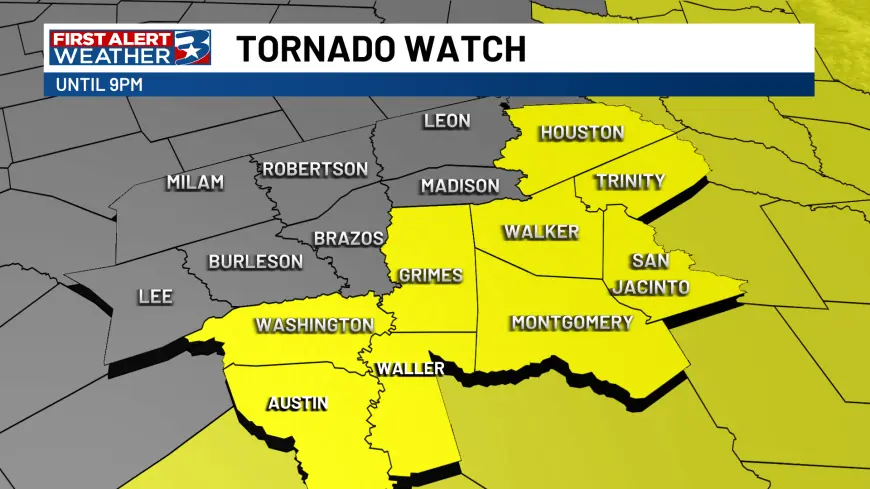
A tornado watch is issued when the atmosphere is primed for tornado development. Think of it as a risk window over a broader area, often lasting several hours.
What a watch really says:
-
The ingredients for tornadoes are in place
-
Storms may form or strengthen quickly
-
You could need to act with little lead time later
What to do during a watch:
-
Review your safe place now: basement, storm shelter, or an interior room on the lowest floor away from windows
-
Charge phones and keep a power bank handy
-
Turn on a reliable alert source with loud notifications
-
If you are hosting an event or managing a workplace, decide in advance who calls the shelter move and where people go
-
If you live in a mobile home, plan where you will go before storms arrive
A watch is where most lives are saved, because preparation is what makes a warning survivable.
Tornado warning: what it means and what you should do immediately
A tornado warning is issued when a tornado has been spotted by a trained observer or indicated by radar patterns consistent with a tornado. A warning is urgent, localized, and time-sensitive.
What a warning really says:
-
Take shelter now
-
You may have only minutes, sometimes less
What to do during a warning:
-
Go to your pre-chosen safe place immediately
-
Get to the lowest level possible
-
Put as many walls as you can between you and the outside
-
Protect your head and neck with a helmet, thick blanket, or mattress
-
Stay away from windows and large open rooms
-
Do not try to “confirm” the tornado by going outside
-
If you are driving, do not shelter under an overpass; get to a sturdy building if you can safely reach one
Warnings are not the time to debate forecasts. They are the time to execute your plan.
Behind the headline: why people still hesitate, and what institutions optimize for
The core incentive mismatch is this: weather agencies must issue alerts early enough to save lives, even if some warnings end without a tornado hitting your specific street. Meanwhile, the public learns from personal experience, and repeated near-misses can create complacency.
Stakeholders and pressures:
-
Families need a simple rule they can follow without interpreting meteorology
-
Schools and employers must balance safety with disruption, and they often wait for the clearest trigger
-
Emergency managers want fast compliance, not perfect understanding
-
Media and social platforms amplify dramatic clips, which can distort risk perception for those outside the warned area
Missing pieces that drive confusion:
-
People do not always know their shelter option before the alert arrives
-
Many households lack a weather radio or a second alert source
-
Mobile home residents and travelers may not have a safe nearby location
-
Alerts can stack with flood and thunderstorm hazards, creating decision overload
Second-order effects: what a watch or warning changes beyond one storm
When communities respond early during watches, the downstream impact can include fewer rescues, less strain on hospitals, and less traffic chaos when warnings pop. Poor response patterns do the opposite: road congestion, delayed sheltering, and emergency calls that spike at the worst moment.
A watch is also a signal to organizations to shift posture: pausing outdoor work, adjusting event timing, moving vulnerable residents closer to shelter, and staging response teams.
What happens next: realistic scenarios and triggers
Scenario one: Watch upgrades to warning quickly
Trigger: storms intensify and radar signatures strengthen. Action: shelter immediately when warned.
Scenario two: Watch expires without a warning in your area
Trigger: storms weaken or track elsewhere. Action: treat it as a successful preparedness drill, not a false alarm.
Scenario three: Multiple warnings in waves
Trigger: a line of storms produces repeated rotating cells. Action: remain in or near shelter until the threat passes, not just until it gets quiet.
Scenario four: Tornado risk shifts to flooding overnight
Trigger: heavy rain follows severe storms. Action: avoid driving through flooded roads and stay alert for updated hazards.
Why it matters
Tornado safety is mostly about timing. The difference between a watch and a warning is the difference between getting ready and taking cover. If you can translate that instantly, you reduce panic, protect others who are unsure, and make better decisions under pressure.
If you tell me your city and state, I can translate the typical watch and warning lead times and the safest shelter options for that housing type in your area, using ET only for any timing guidance.