





















Love Story JFK Jr and Carolyn Bessette Kennedy Series Puts a Famous Romance Back Under the Microscope as Sarah Pidgeon and Paul Anthony Kelly Lead the Cast

A new scripted drama titled Love Story: John F. Kennedy Jr. & Carolyn Bessette has reignited public fascination with one of the most photographed relationships of the 1990s, while also reopening familiar arguments about privacy, accuracy, and the cost of turning real tragedy into entertainment. The series premiered on February 12, 2026 (ET) with an initial multi-episode launch, and the rollout has quickly become a referendum on whether modern audiences want a glossy romance, a cautionary tale about fame, or something closer to biography.
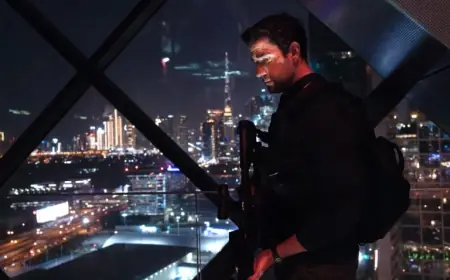
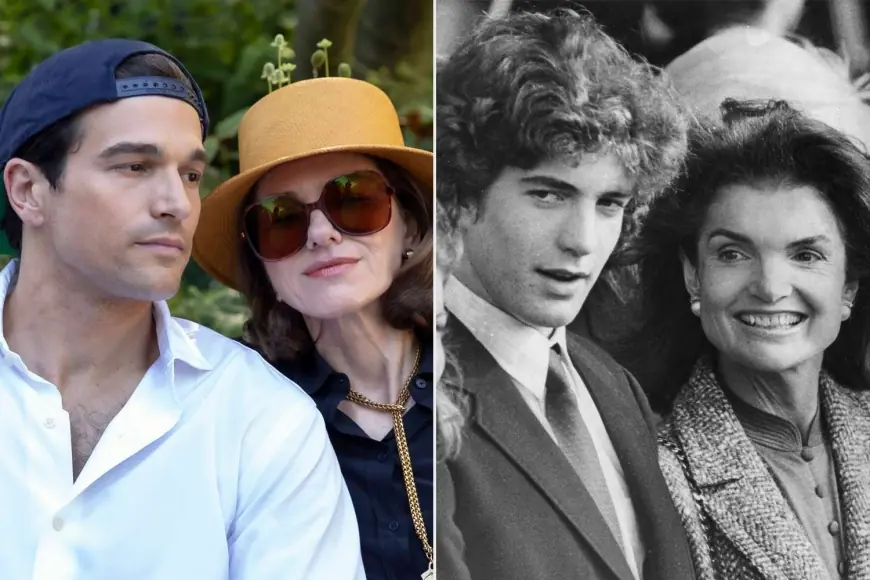
At the center are two actors now carrying enormous cultural expectations: Sarah Pidgeon as Carolyn Bessette Kennedy and Paul Anthony Kelly as John F. Kennedy Jr. Their performances are being judged not only on craft, but on whether they can translate decades of public myth into believable, private human behavior.
Love Story cast: Sarah Pidgeon, Paul Anthony Kelly, and a supporting lineup built for scrutiny
The series’ casting choices are part of the story. Paul Anthony Kelly’s selection drew attention because the production reportedly struggled to lock in its JFK Jr until close to filming, raising the stakes for a role that is instantly recognizable in silhouette, voice, and mannerisms. Sarah Pidgeon, meanwhile, faces the harder challenge: portraying a figure many people remember through still photos, not interviews, which leaves less “known” personality for viewers to anchor to and more room for disagreement.
The supporting cast includes Naomi Watts as Jacqueline Kennedy Onassis and Grace Gummer as Caroline Kennedy, with Sydney Lemmon as Lauren Bessette. Dree Hemingway appears as Daryl Hannah, reflecting JFK Jr’s public pre-marriage dating history, and Alessandro Nivola plays a major fashion-world figure tied to Carolyn’s career. Constance Zimmer appears as Carolyn’s mother, Ann Messina. Each of these portrayals carries a built-in sensitivity because the show is not inventing a world; it is borrowing one that still has living witnesses and family members who may disagree with what’s onscreen.
What happened in the story, and why audiences keep returning to JFK Jr and Carolyn Bessette
The series tracks the relationship from early attraction through courtship and marriage, then pushes into the pressure-cooker reality of being famous people who could not walk down a sidewalk without consequences. It foregrounds a tension that has always defined how the public tells this romance: JFK Jr as a symbol that belonged to the country, and Carolyn as a private person pulled into a role she did not audition for.
That dynamic remains catnip for drama because it offers three engines in one: romance, surveillance, and inevitability. Viewers already know the ending. The question is whether the show can make the middle feel newly understood without turning real lives into a set of convenient plot points.
Behind the headline: incentives, stakeholders, and why this adaptation lands differently now
Context matters. Today’s celebrity culture is more self-managed than the 1990s, with social media offering both control and constant exposure. That shift makes the JFK Jr and Carolyn Bessette story feel like a pre-digital blueprint of the same problem: attention you cannot turn off.
Incentives are equally clear. For the creators and distributors, the incentive is a recognizable story with built-in audience awareness and a fashion-and-fame aesthetic that travels easily across clips and commentary. For viewers, the incentive is emotional participation: the feeling that you can diagnose what went wrong, who had agency, and whether any alternative was possible.
The stakeholders are not just fans. They include surviving relatives, friends, former coworkers, and a wider public that still treats the Kennedy name as both history and brand. There is also reputational exposure for everyone portrayed: a single scene can reshape how casual viewers remember real people who cannot respond.
Second-order effects are already visible. The series is driving renewed discussion of the couple’s marriage timeline, resurrecting long-running debates about how the two met, and encouraging frame-by-frame comparisons of wardrobe, body language, and paparazzi-era moments. That can generate cultural interest, but it can also flatten complexity into “team” narratives where nuance loses.
What we still don’t know: accuracy, compression, and who was consulted
The biggest questions are about method, not plot:
-
How much the series compresses timelines to create cleaner dramatic arcs
-
Which disputed “origin stories” it chooses to present as definitive
-
How it balances documented events with imagined private dialogue
-
Whether any family members or close friends were consulted, and how that absence might shape authenticity
These missing pieces matter because dramatizations become “memory” for people who did not live through the era. If the show makes a strong emotional argument, it can overwrite uncertainty with certainty—whether or not that certainty is earned.
What happens next: realistic scenarios as the episodes roll out
-
Audience conversation shifts from casting to substance
Trigger: later episodes deliver emotional specificity and avoid easy villains. -
A fact-check backlash cycle intensifies
Trigger: a scene appears to assign motive or blame in ways viewers see as unfair. -
Breakout performances dominate the narrative
Trigger: Pidgeon or Kelly becomes the primary reason people watch, even amid controversy. -
Renewed debate over dramatizing recent history
Trigger: public pushback from people close to the Kennedy orbit, or a wider cultural conversation about consent and legacy.
Why it matters is bigger than one show. Love Story is a test of how entertainment handles a romance that still feels personal to the public: whether it can offer insight without exploitation, and whether it can respect real people while still delivering the drama audiences expect.