




















James Van Der Beek Death Sparks Crowdfunding Surge, Cancer Questions, and New Focus on Dawson’s Creek Star’s Legacy

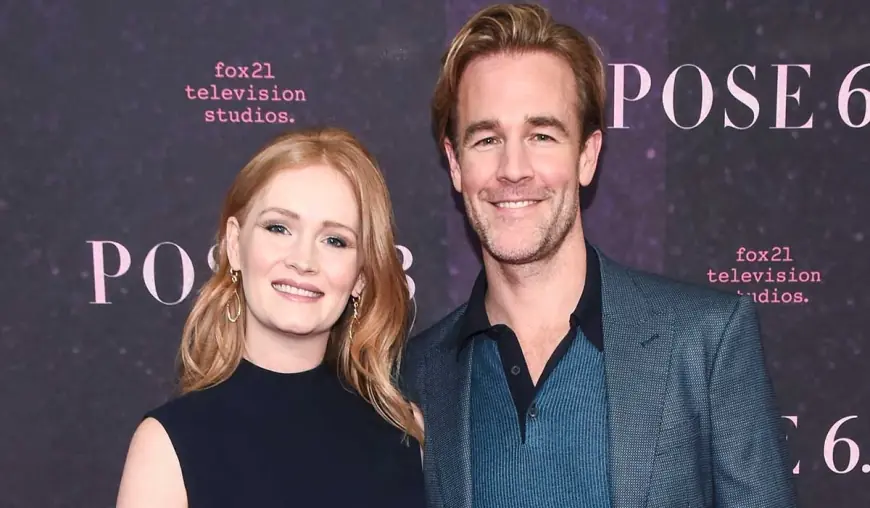
James Van Der Beek, the actor forever linked with Dawson Leery in Dawson’s Creek and the football drama Varsity Blues, died on February 11, 2026 ET after a battle with stage 3 colorectal cancer. He was 48. The announcement, shared by his wife Kimberly in a family statement posted online, immediately triggered a wave of grief, reunion-era nostalgia, and a rapid rise in searches tied to fundraising, cast reactions, and questions about how his illness progressed.
Within hours, a widely shared crowdfunding campaign organized by friends for Kimberly and the couple’s six children blew past its initial goal and climbed into the multi-million-dollar range, reflecting both Van Der Beek’s cross-generational fan base and the financial shock that can follow prolonged cancer treatment even for public figures.
What happened: death confirmed, family fundraiser accelerates in days
Van Der Beek’s death set off a familiar modern sequence: confirmation from family, tributes from colleagues, and an online fundraiser becoming a focal point for public support. The campaign’s stated purpose is to help cover essential living expenses, medical-related costs, and longer-term needs for the children, and it has drawn tens of thousands of donations in a short period.
The fundraising story has also revived an uncomfortable reality that rarely fits the red-carpet image: income from old hits can be far less predictable than people assume, especially when early-career contracts were signed before anyone knew a show would become an enduring rerun staple.
Behind the headline: why the fundraising angle is resonating so strongly
The intense attention on the fundraiser is not only about generosity. It’s also about cognitive dissonance. Many fans associate Van Der Beek with peak network-television fame, and the instinctive assumption is that decades of visibility equals unshakeable wealth. The fundraiser punctures that myth and reframes the story as one about the economics of acting careers, the costs of long-term illness, and the fragility of financial security in a volatile industry.
Stakeholders are pulling in different directions at once:
-
Kimberly and the children need privacy and stability while navigating grief in public.
-
Friends organizing support need to keep the effort focused and credible amid online noise.
-
Fans want a concrete way to help, and donating becomes a shared ritual of mourning.
-
The wider industry feels renewed pressure to talk about healthcare, residual structures, and the gap between fame and financial reality.
Dawson’s Creek cast interest returns, alongside Varsity Blues memories
Van Der Beek’s name is trending alongside Dawson’s Creek co-stars Katie Holmes, Joshua Jackson, and Michelle Williams, reflecting how strongly the series still anchors the public’s image of him. Interest has also spiked around his movie work, especially Varsity Blues, as fans revisit late-1990s coming-of-age culture and the actors who defined it.
Other names appearing in the search orbit, including Stacy Keibler, Heather McComb, Zoe Saldana, Kate Capshaw, and Alfonso Ribeiro, reflect the way people reconstruct a career and personal timeline after a death, pulling in co-stars, past relationships, and adjacent celebrity connections. Some of that is genuine context, and some is the internet doing what it does: widening the circle until it becomes a web of loosely related names.
What we still don’t know: details of his illness timeline and financial specifics
Even with a confirmed cause of death, key pieces remain private, and they matter because misinformation fills gaps fast:
-
How long Van Der Beek had been actively treated for stage 3 colorectal cancer before the public learned about it
-
Whether complications, treatment side effects, or recurrence played a role in the final months
-
The exact financial drivers behind the fundraising push, beyond general language about bills and care
-
Whether there are charitable wishes or advocacy plans the family may share later
This uncertainty is also why false posts claiming different “causes of death” or implying a hoax can spread. The reality is simpler and sadder: the family confirmed a cancer death on a specific date, and the rest of the private medical narrative may never be public.
Colorectal cancer symptoms: why people are searching, and what to watch for
Search interest in colorectal cancer symptoms typically rises when a well-known person dies from the disease, and this moment is no exception. Many cases are treatable, especially when found earlier, but symptoms can be subtle or confused with less serious conditions.
Commonly discussed warning signs include:
-
Changes in bowel habits that persist
-
Blood in stool or rectal bleeding
-
Ongoing abdominal pain or cramping
-
Unexplained weight loss
-
Persistent fatigue or weakness, sometimes linked to anemia
Symptoms do not automatically mean cancer, but persistent changes are worth a prompt medical check, particularly for people with family history or other risk factors. Screening recommendations depend on age and personal risk, so the most practical next step for concerned readers is to discuss screening timing with a clinician.
Net worth questions: why estimates vary widely after a celebrity death
Online “net worth” figures are best treated as rough guesses, not audited truth. Estimates can swing because they rarely account for private debts, medical expenses, taxes, business structures, insurance coverage, or ongoing obligations for a large family. In Van Der Beek’s case, the fundraiser itself has intensified the debate, with some readers asking how a recognizable actor could still face financial strain. The honest answer is that fame is not the same as liquid cash, and medical costs plus time away from work can reshape a household budget quickly.
What happens next: likely developments and triggers
-
More cast tributes and memorial posts as friends choose what to share, if anything, in the coming week.
-
A clearer public picture of the fundraiser’s goals, especially if organizers provide updates about how funds will be managed.
-
Renewed attention to colorectal screening awareness, often driven by advocacy groups responding to public interest.
-
A second wave of career retrospectives as viewers rewatch Dawson’s Creek and Varsity Blues and revisit his later television work.
For now, the story is less about rumor-chasing and more about a life that shaped a generation of television viewers, and a family facing a very real, very modern combination of grief, public scrutiny, and practical financial pressure.