
























DHS Shutdown Deepens as Democrats' Government Shutdown Standoff Hits Travel, Disaster Response

Federal funding for the Department of Homeland Security lapsed, triggering a limited shutdown that stems from a House-Senate impasse after Democrats rejected a bipartisan spending deal tied to immigration enforcement changes. While most federal agencies remain funded through Sept. 30, the DHS lapse will have tangible effects on airports, emergency response and frontline federal workers — effects that will grow the longer lawmakers remain deadlocked.
What triggered the DHS shutdown
Negotiations over the department’s appropriations broke down after Democrats insisted on new restrictions on immigration enforcement operations, prompting them to walk away from a bipartisan package. Lawmakers were unable to pass all 12 annual spending bills, and DHS funding expired at midnight. The result is a targeted lapse that leaves the rest of the government operating while Homeland Security moves to contingency plans.
Air travel faces immediate strain
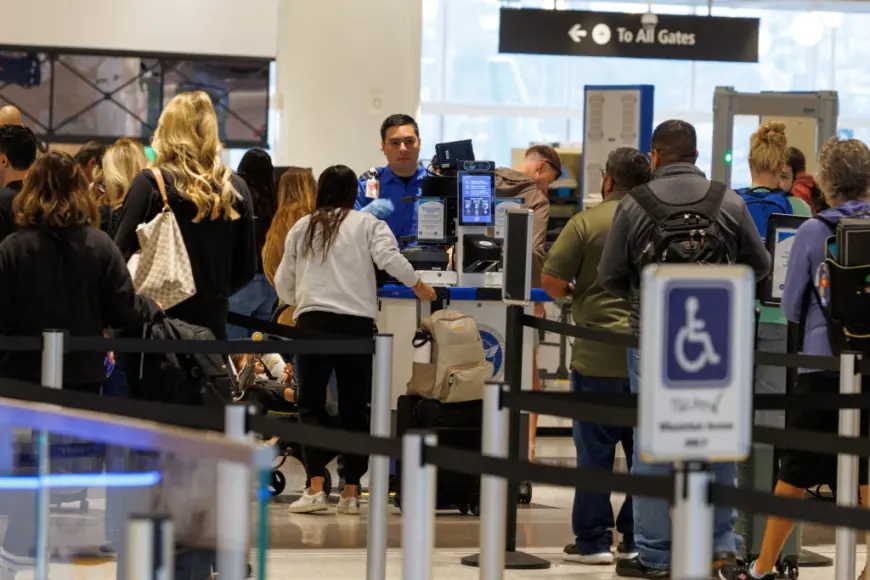
The Transportation Security Administration will be one of the most visible pain points for travelers. About 95% of TSA officers are designated essential and will be required to continue screening passengers and bags at nearly 440 commercial airports. Those employees will work without pay while the funding gap endures.
TSA paychecks scheduled for March 3, 2026 (ET) could be reduced depending on how long the shutdown lasts, and employees would face the risk of missing a full paycheck by March 17, 2026 (ET) if the impasse persists. Even short-term absenteeism among screening officers can cause long lines and sporadic checkpoint closures, particularly at smaller airports with a single security lane. Travelers should expect potential delays and arrive earlier than normal until the standoff is resolved.
FEMA readiness and disaster response under pressure
The Federal Emergency Management Agency can continue core disaster-response work for the immediate future, but reserves are limited. FEMA officials warn that an unexpected catastrophic disaster during the lapse could stretch the agency’s budget and slow federal reimbursements for survivors. Routine grant processing and some recovery operations could face delays, leaving state and local governments to absorb costs in the near term.
Who works without pay and what that means
Essential DHS personnel — from TSA officers to immigration and border operations staff — will remain on the job without regular pay until funding is restored. Past shutdowns show that many federal workers endure severe financial strain: employees have reported sleeping in cars, taking extra jobs, or selling plasma to make ends meet. When funding returned in prior lapses, back pay was issued to most affected employees, but the hardship during a shutdown is immediate and concrete.
Practical steps for the public and the political outlook
For travelers: plan extra time, check with your airline for schedule changes, and be prepared for sudden checkpoint adjustments at smaller airports. For homeowners and local officials in disaster-prone areas: document damage promptly and coordinate with state emergency managers, who may shoulder initial response responsibilities if federal support slows.
Politically, the shutdown underscores a volatile mix of immigration politics and budgetary brinkmanship. The standstill grew out of demands for new limits on enforcement actions, and leaders on both sides face pressure to resolve the dispute quickly to avoid deeper disruption. The economic and logistical toll will scale with the length of the shutdown, making a near-term resolution increasingly urgent.
With most of the federal government still funded through the fiscal year, the DHS lapse is narrow but consequential. Everyday Americans are most likely to feel it at airport security lines and in the event of an unexpected disaster — practical reminders that even a single-agency funding fight can ripple through daily life.