























San Francisco School District Mishandles Teachers’ Strike

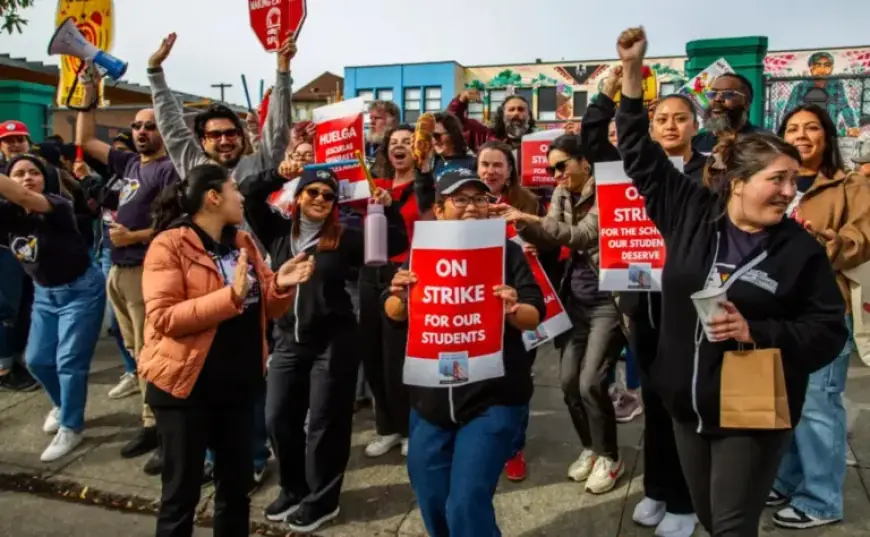
This month, the San Francisco Unified School District faced a significant challenge as teachers engaged in a four-day strike. The dispute between the district and its educators has been simmering since March of the previous year. On October 10, 2022, negotiations reached a stalemate, leading to a formal declaration of impasse.
Background and Timeline of Events
Following the impasse, teachers organized “practice pickets” at over 100 schools in November 2022. By December, nearly 99% voted to authorize a strike, and in January 2023, the support remained strong at about 98%. Despite this clear indication of discontent, Mayor Daniel Lurie reported that he only reached out to the teachers’ union president on February 2, eight days before the strike began.
District’s Response to the Strike
The San Francisco Unified School District struggled to address teacher concerns about issues beyond monetary compensation, such as sanctuary campuses and artificial intelligence policies. These delays in negotiations wasted valuable time. When the strike commenced, the district had anticipated operating programming at school sites, similar to responses seen in other districts, such as Oakland. However, the situation changed dramatically when principals and unionized staff, including custodians and food workers, joined the teachers in a solidarity strike.
Teacher Union Gains and Impact of Sympathy Strikes
- Teachers achieved full family healthcare coverage, eliminating monthly costs that could reach $1,500.
- Wage increases were only 5%, lower than the previously discussed 6% before the healthcare agreement.
- Despite the reduction in salary increases, the agreement marked a significant victory for the United Educators of San Francisco.
The outcome highlighted the district’s lack of preparation. A last-minute emergency resolution aimed to allow the superintendent to employ substitutes at a high daily rate, but the solidarity strikes rendered these plans ineffective.
Community Response and Missteps
The teachers’ strike saw substantial community support, which caught the district off guard. Many parents voiced their backing for educators, aligning with their children’s teachers while criticizing the district instead. The district misjudged the level of community connection to teachers versus district office staff.
Financial Implications for the District
Superintendent Maria Su noted that the district stood to lose between $7 million and $10 million for each day of the strike. Despite this reality, discussions were mired in unresolved non-monetary issues while teachers marched outside. The ineffective communication from the district added to the confusion, with educators receiving conflicting messages about their roles during the walkout.
The Future of Negotiations
As labor negotiations in San Francisco unfold, the district’s handling of this strike is likely to reverberate in future contract discussions across various city departments. There remains significant uncertainty regarding public-sector collective bargaining, especially with financial constraints on the horizon.
The recent strike illustrates broader issues within the San Francisco Unified School District, emphasizing the need for better preparation and communication to avoid similar conflicts in the future.