Meta Introduces Real-Time Facial Recognition in Smart Glasses Amid Political Distractions

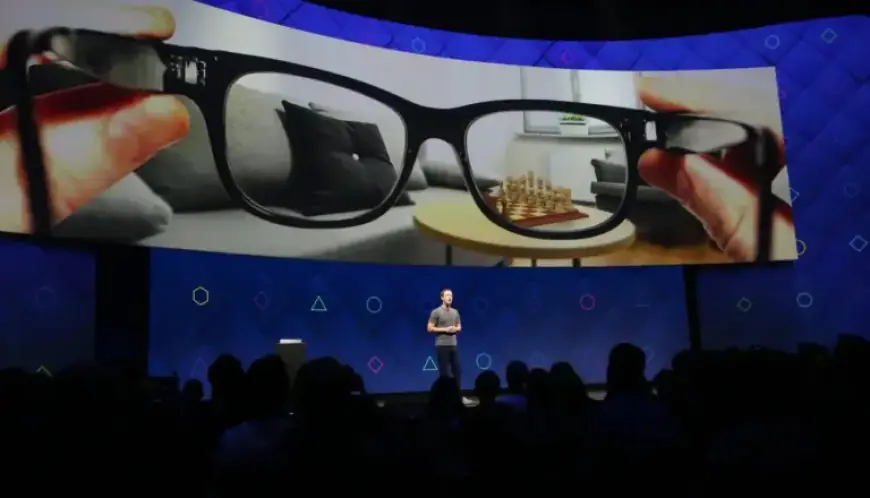
Meta, previously known for its virtual reality goggles, is now focusing on AI-powered smart glasses. The company plans to introduce a significant facial recognition feature across its smart glasses platform, potentially available to users within the year. This initiative, dubbed “Name Tag,” aims to provide seamless identification of individuals in real-time.
Facial Recognition Technology Overview
The impending technology will allow users to quickly access information about people they encounter, utilizing Meta’s AI assistant. Despite its promising capabilities, the feature has raised serious safety and privacy concerns.
Concerns and Controversies
- Meta acknowledges significant privacy risks regarding facial recognition.
- Documents suggest an initial rollout strategy involving the disabled community as a cover.
- The launch timing appears to coincide with major political events to divert public scrutiny.
Internal communications indicate that Meta anticipated leveraging the political climate, particularly in May 2025, when public attention would likely be diverted. The strategy aims to mitigate backlash from civil rights organizations during a period marked by social and political unrest.
Public Response and Ethical Considerations
Officials from the American Civil Liberties Union expressed their concerns about the implications of this technology. They argue that facial recognition could threaten the anonymity that citizens typically enjoy in public spaces. “Face recognition technology on the streets of America poses a uniquely dire threat to the practical anonymity we all rely on,” stated Nathan Freed Wessler, ACLU deputy director.
Meta’s Position
In response to the controversy, Meta claims it is focused on developing products that enhance connectivity and user experience. The company emphasizes a “thoughtful approach” to product rollouts, balancing innovation with user privacy.
As Meta gears up for this significant product launch, the implications of introducing real-time facial recognition technology remain a contentious topic in both technological and ethical discussions.