























Microsoft AI Chief Announces Departure from OpenAI Partnership

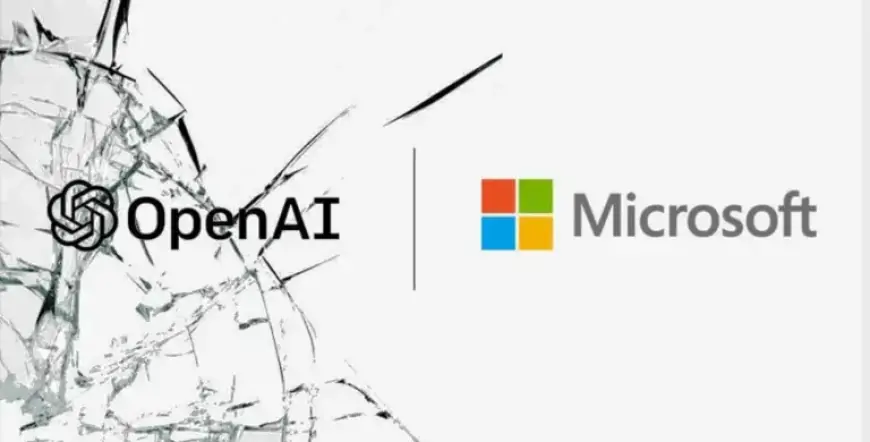
In a significant shift within the artificial intelligence landscape, Microsoft’s AI chief, Mustafa Suleyman, has indicated the possibility of Microsoft distancing itself from OpenAI. This development comes as Microsoft’s AI strategies evolve, relying heavily on advanced models like ChatGPT and DALL·E 3, which are currently powered by OpenAI. Despite these partnerships, Microsoft is expected to launch its own foundational AI models by 2026.
Microsoft’s Shift from OpenAI
Microsoft has shown impressive growth in its enterprise-based AI offerings, cultivating tools such as Microsoft 365 Copilot and GitHub Copilot. This shift indicates a strategic pivot in response to the ongoing challenges faced by OpenAI, including legal issues and financial instability.
- OpenAI has faced ongoing lawsuits, including cases from The New York Times and Elon Musk’s xAI.
- The company is reportedly dealing with over a trillion dollars in compute spend contracts, raising concerns about its sustainability.
Investment and Ownership Dynamics
Microsoft is a major stakeholder in OpenAI, holding 27% of its for-profit division and retaining IP rights until 2032. However, changes in the partnership last October allowed OpenAI to collaborate with other cloud providers, a step that could reduce Microsoft’s financial exposure.
Suleyman has stressed the need for Microsoft to develop proprietary AI models with advanced computing capabilities. “We have to develop our own foundation models,” he stated, underlining the urgency and ambition driving this new direction.
Collaborative Dynamics Amid Competition
While Microsoft plans to create its own frontier AI models, it will continue to engage with OpenAI for specific applications. Frank X. Shaw, Microsoft’s communications chief, emphasized this dual approach, acknowledging OpenAI’s ongoing contribution while outlining Microsoft’s independent ambitions.
- Microsoft aims to leverage its AI technologies to enhance healthcare services.
- The company is focused on creating “medical super-intelligence.”
Industry Reactions and Future Implications
The AI environment remains competitive, with Microsoft also investing in OpenAI’s rivals like Anthropic. These moves position Microsoft not only as a partner to OpenAI but also as a competitor in the AI marketplace.
The ethical implications surrounding AI continue to provoke public discourse. Concerns about job automation and societal impact persist, even as interest in AI surges. Although skepticism about AI’s role in society is widespread, leading companies, including Microsoft, are doubling down on their AI initiatives.
Suleyman’s remarks about the potential for AI to benefit humanity contrast with fears about its impact on employment. The future will likely reveal how Microsoft’s independent AI development will shape the broader AI landscape.
The upcoming years are pivotal as Microsoft prepares to launch its own AI models and navigate the complexities of competition and collaboration with OpenAI.