
























International Press Review: February 13, 2026

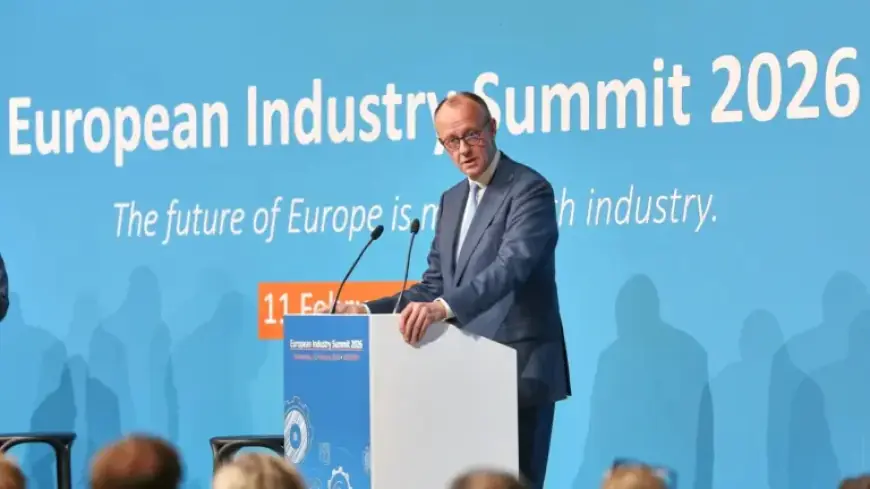
On February 13, 2026, significant discussions unfolded at a European Economic Summit in Belgium, focusing not only on economic growth but also on enhancing Europe’s strategic competitiveness. Chancellor Merz of Germany and Prime Minister Meloni of Italy proposed a concept of “Europe at two speeds,” aimed at expediting decision-making processes within the European Union (EU) by bypassing the unanimity principle. This proposal, however, faced resistance from French President Macron, who is currently politically weakened.
European Strategic Autonomy Debate
The summit highlighted a crucial moment for the EU as it strives to establish itself as a formidable geopolitical player. According to Spanish newspaper EL MUNDO, the continent must navigate a climate increasingly dominated by major powers. The urgency for decisiveness was emphasized, with the EU unable to afford delays in implementing reforms.
Concerns and Recommendations
- Competitive Pressure: The NEUE ZÜRCHER ZEITUNG noted that creating a cohesive strategy for enhancing competitiveness would be challenging, particularly with France expressing concerns over China’s heavily subsidized industries impacting European firms.
- Investment and Innovation: DAGEN NYHETER from Sweden articulated the need for reliable investment frameworks, prompting European leaders to solidify alliances at the Munich Security Conference.
- Technological Independence: Danish newspaper POLITIKEN highlighted EU efforts to reduce reliance on American technologies and Chinese resources, a move gaining momentum amid shifting global finance trends.
Political Dynamics at the Munich Security Conference
This afternoon, Chancellor Merz will inaugurate the Munich Security Conference. A report by the MSC outlines the world facing destruction of existing norms, led by actions from political powers such as the United States under Donald Trump. As noted by the Polish publication RZECZPOSPOLITA, the EU’s strategy involves preserving American engagement while preparing for greater autonomy.
Visibility of Transatlantic Tensions
As observed by Chinese outlet WENHUI BAO, the upcoming conference underscores the fractures in transatlantic relations. Critics question European strategic autonomy amid growing uncertainties. Despite the pressures, Europe possesses vital political and economic resources that could foster self-reliance if internal disagreements can be managed.
Olympic Controversies in the Spotlight
Alongside geopolitical discussions, international sports controversies arose regarding the Olympic Winter Games. The Austrian publication DER STANDARD reported that Ukrainian skeleton athlete Wladyslaw Heraskewytsch was barred from competing due to a helmet commemorating fallen Ukrainian athletes. This incident raises critical questions about free expression within the Olympic framework.
In a shared perspective, THE GUARDIAN from the UK called for independent evaluations similar to those applied to Russian athletes, suggesting the IOC missed a moment to show sensitivity to Ukraine. The SALZBURGER NACHRICHTEN lamented that the IOC’s actions seem to prioritize institutional authority over athlete representation.
As this International Press Review concludes, it reflects a turbulent phase for both European politics and international sports, with calls for unity, strategic foresight, and genuine support for athletes in times of conflict.