






















Trump Pledges Voter ID Rules for Midterms, With or Without Congress Approval

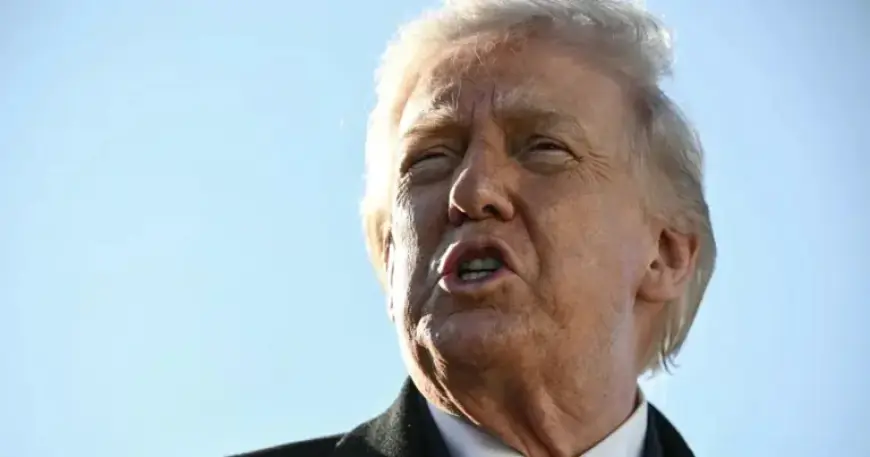
On Friday, former President Donald Trump announced via social media that he plans to enforce voter ID requirements for the upcoming midterm elections, potentially through an executive order. He emphasized that, should Congress fail to pass the relevant legislation, he will take measures to ensure voter identification is mandatory.
Proposed Voter ID Measures
Trump asserted, “There will be Voter I.D. for the Midterm Elections, whether approved by Congress or not!” His stance comes amid ongoing efforts to “nationalize” election processes. Trump has been advocating for the SAVE America Act, aiming to implement national voter ID requirements and impose new restrictions on mail-in ballots.
Legislative Progress
Recently, the House of Representatives passed the SAVE America Act, with unanimous support from Republican members. Notably, Texas Democrat Henry Cuellar was the only Democrat to lend his support.
- Act requires photo ID to vote.
- Seeks to limit mail-in voting.
- House passed the act on Wednesday.
Constitutional Concerns
However, experts warn that Trump’s proposed executive order could face constitutional challenges. Nate Persily, a Stanford University law professor, suggests that the Constitution does not grant the president unilateral authority to change election regulations. Additionally, any modifications to state voting procedures typically require congressional approval, citing historical precedence such as the Voting Rights Act of 1965.
This is not Trump’s first attempt at changing voting laws through executive action. Earlier this year, he initiated an order demanding proof of citizenship for voter registration. Yet, a federal court later ruled this order unconstitutional, highlighting the limitations on presidential power regarding electoral changes.
Opposition and Criticism
The SAVE America Act faces skepticism in the Senate, with a challenging 60-vote requirement for approval. Senator Lisa Murkowski from Alaska has expressed her opposition, cautioning that her party previously opposed federal mandates on state elections.
Democratic leaders, including Senate Minority Leader Chuck Schumer, argue that voter ID laws disproportionately disenfranchise minority voters. They assert that such measures are unnecessary, as instances of voter fraud by non-citizens are exceedingly rare.
Future Complications
As discussions continue, the implications of Trump’s intentions extend beyond legislation. The sweeping powers he seeks over electoral processes reflect broader political battles surrounding election integrity and voter access.
In light of Trump’s ongoing claims regarding the 2020 election, experts stress the significance of federal oversight in election operations and the potential repercussions of unilateral presidential actions.