
























Arundhati Roy Withdraws from Berlinale Over Jury’s Political Remarks

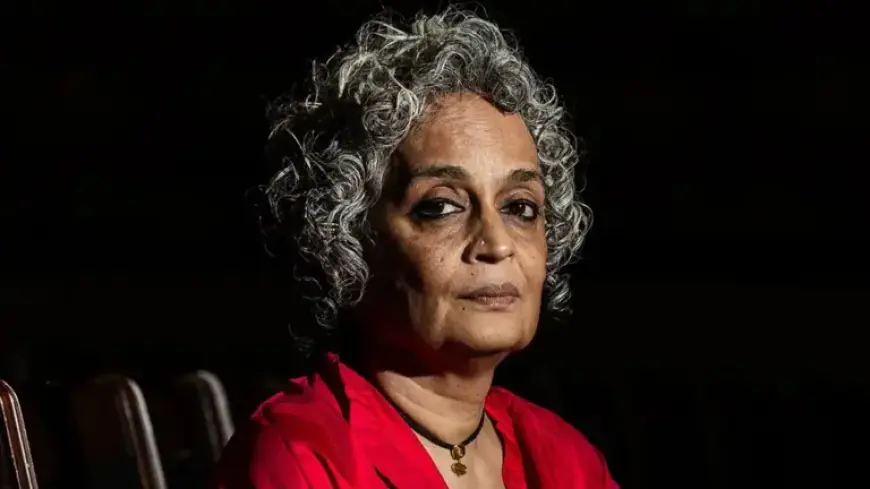
Arundhati Roy, a prominent Indian author, has decided to withdraw from the Berlinale 2026 film festival due to controversial remarks made by the festival jury. Roy was set to present her film “In Which Annie Give It Those Ones,” which she wrote 38 years ago, as part of the Classics section. Her decision comes amid rising tensions around political discourse related to the ongoing conflict in Gaza.
Withdrawal Following Jury Controversy
The Berlinale, known for its politically charged atmosphere, faced backlash when jury head Wim Wenders, along with other members, refrained from addressing political questions at a press conference. Wenders stated that filmmakers should not be directly involved in politics, suggesting that this stance separates cinema from political agendas.
During the same conference, fellow jury member Ewa Puszczyńska echoed this sentiment by emphasizing the complex nature of global conflicts. She remarked, “There are many other wars where genocide is committed, and we do not talk about that.” This kind of dismissal of current political issues prompted criticism from various quarters.
Roy’s Statement on Political Responsibility
In her withdrawal statement, initially shared with Indian publication The Wire and later verified by Variety, Roy expressed her disbelief at the jury’s comments. She articulated that the notion that art should be non-political is “jaw-dropping.” According to her, such views hinder crucial conversations surrounding the plight of the Palestinian people during what she describes as genocide.
- Film Title: In Which Annie Give It Those Ones
- Event: Berlinale 2026
- Key Figures: Arundhati Roy, Wim Wenders, Ewa Puszczyńska
- Specific Comments: Art and Politics
Roy’s Reflections on the Current Situation
Roy’s statement emphasized a pressing moral obligation for artists and filmmakers to speak out against atrocities, specifically in the context of the ongoing violence in Gaza. She lamented over the complicity of governments, particularly those of the United States and Germany, in the conflict, arguing that their actions contribute to the humanitarian crisis.
Despite her disappointment, Roy noted that past engagements with German audiences have been supportive of her views. This history of solidarity had initially encouraged her to attend the festival. However, the recent statements made at Berlinale have prompted her to reconsider.
As the Berlinale prepares for its events, the festival remains under scrutiny for its handling of political discourse and its implications for the arts.