

























Jim Jordan Faces Scrutiny Over Epstein Files Hypocrisy

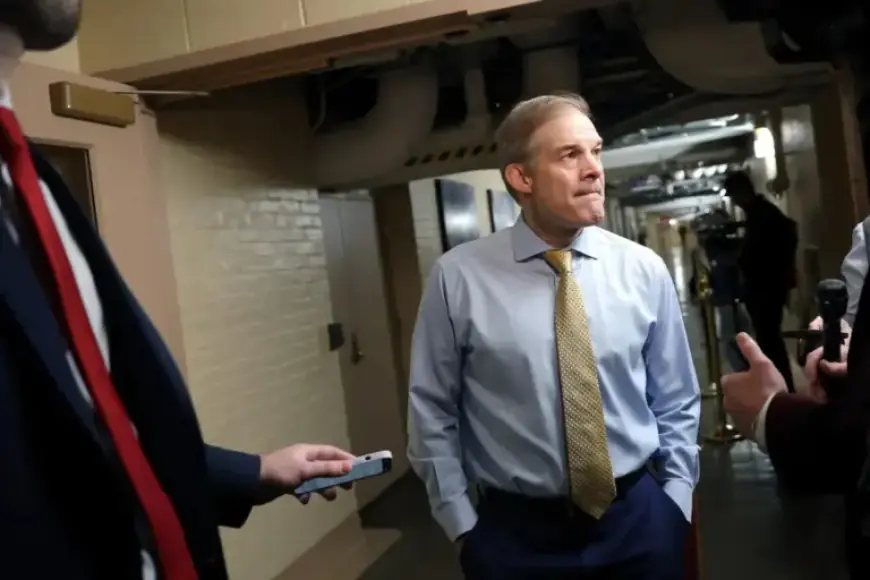
The issue of surveillance within congressional circles has recently gained attention. Lawmakers have limited access to Jeffrey Epstein-related materials at the Justice Department. These materials are not available to the public and can only be reviewed in a secure environment.
Access to Epstein Files and Surveillance Concerns
Members of Congress must visit the Justice Department in person to examine these files. They are monitored by DOJ officials and cannot use personal devices or record the information. This setting raises substantial concerns regarding privacy and oversight.
On a surprising note, Attorney General Pam Bondi was recently seen holding a document that appeared to reveal a Democratic congresswoman’s search activity related to the Epstein files. This revelation sparked outrage among Democrats, who are questioning the extent of the DOJ’s surveillance efforts.
Reactions from Lawmakers
Democratic lawmakers expressed strong frustration over what they view as a troubling breach of privacy. They are particularly concerned about the implications of surveillance on their legislative activities. Meanwhile, Republicans, including House Judiciary Committee Chairman Jim Jordan from Ohio, responded somewhat dismissively. Jordan described Democrats’ complaints as hypocritical given past actions taken by the DOJ against Republican legislators.
- Jim Jordan’s Position: Jordan stated it was “pretty rich” for Democrats to voice complaints about surveillance.
- Democrat Response: Democrats have accused the DOJ of overreach and infringing on their rights.
Context of Surveillance Practices
The debate underscores the complexities of federal law enforcement and surveillance measures. A report from The New York Times previously highlighted that the phone records of various figures were obtained as part of a broader investigation by Special Counsel Jack Smith. This practice of collecting toll records is seen as a standard investigative approach.
CNN supported this perspective by clarifying that such records do not capture the substance of conversations but are essential for understanding interactions among lawmakers during critical periods, such as the efforts surrounding the 2020 election.
Conclusion
The unfolding situation highlights the tension between privacy rights and accountability within Congress. As lawmakers navigate these issues, the scrutiny over surveillance will likely continue. Filmogaz.com will keep you updated on any developments regarding the Epstein files and related congressional actions.