

























Cha Jun-hwan zeroes in on perfection after setback as Team Korea rides mixed momentum in Milan-Cortina

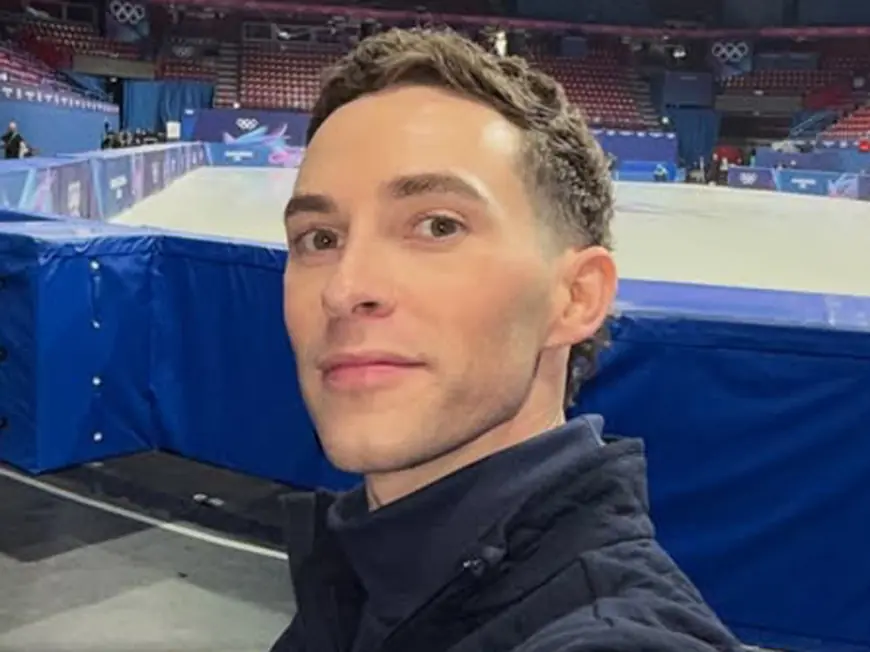
Figure skater Cha Jun-hwan has set his sights on flawless execution after a recent setback, sharpening focus at a pivotal moment for South Korean winter sports. The renewed push comes amid a dramatic 24-hour swing on the slopes in Italy that featured a landmark gold and a near-miss, underscoring both the promise and pressure surrounding the delegation.
A recalibration for Cha Jun-hwan
Cha Jun-hwan is turning the page with a clear message: raise the standard and leave no points on the table. The emphasis on perfection signals a reset in both mindset and delivery, with attention on cleaner landings and mistake-free programs. The tone is forward-looking, aiming to convert lessons from adversity into competitive sharpness as attention shifts from the snow to the ice in the coming days.
While details of the setback have not been publicly expanded on, the intent is unmistakable. The drive for precision underscores how narrow the margin can be at the highest level—where one lapse can separate medals from missed chances. Cha’s recalibration reflects a broader theme for the team: respond, refine and rise.
South Korea’s snowboarding surge frames the moment
The renewed focus for Cha arrives as South Korea’s snowboarders delivered an emotional sequence of performances in Livigno at the Milan-Cortina Winter Olympics. It was a stretch that showcased championship resolve and the ruthless math of elite judging, illustrating how quickly momentum can swing at this stage of the Games.
Lee Chaeun’s final-run fight yields sixth
On Friday, Feb. 13, 2026 ET, Lee Chaeun finished sixth in the men’s halfpipe final at Livigno Snow Park with an 87. 50, a score earned under pressure on his third and final run. After falls and stumbles marred his opening two attempts, the 19-year-old landed all five of his final-run tricks, including the demanding frontside triple cork 1620. With four riders already parked at 90 points or higher, his clean rally pushed him as high as fifth before the final standings settled one spot lower.
The day’s podium underscored the ceiling needed to medal. Yuto Totsuka claimed gold with a 95. 00, Scotty James secured silver at 93. 50, and Ryusei Yamada took bronze with 92. 00. Twelve finalists each took three runs, with only the best counting. After every run, the highest and lowest judges’ marks were thrown out before totals were set. Lee’s second run was undone by a wobbly landing on a frontside double cork 1440 with a tail grab, which bled momentum and cut short the rest of the sequence.
Choi Gaon’s gold raises the stakes
Lee followed a defining moment for the team: Choi Gaon’s triumph in the women’s halfpipe, delivered with a gutsy third run that posted 92. 50 to hold off a decorated rival. That breakthrough set an immediate bar for execution under pressure. Coming a day later, Lee’s fight-back added grit to the storyline, even as the scoreboard kept him off the podium.
Execution is the currency at Livigno
Halfpipe judging at Livigno prioritized difficulty, amplitude and execution—an unforgiving blend that punishes hesitation and rewards riders who link high-risk elements with polish. The format’s best-of-three structure gave athletes room to build, but it also forced precise timing: leave it too late and the door closes quickly, nail it early and the field must chase from behind. Lee’s night captured both extremes—pressure from early errors, then poise in the final attempt.
All eyes turn to the ice
Within that context, Cha Jun-hwan’s perfection-first stance lands with added weight. The message aligns with what the week on the snow just underlined: at this level, clean, confident execution is the separator. For South Korea, the momentum is mixed but meaningful—proof that medal-level performances are within reach, and a reminder that the details decide the color of any result.
As the schedule pivots from Livigno’s U-shaped walls to the precision of the rink, Cha’s reset becomes a focal point for the delegation’s next chapter. The objective is simple, if not easy: turn resolve into results, one element at a time.