

























El Paso Balloon Incident Threatened Disaster

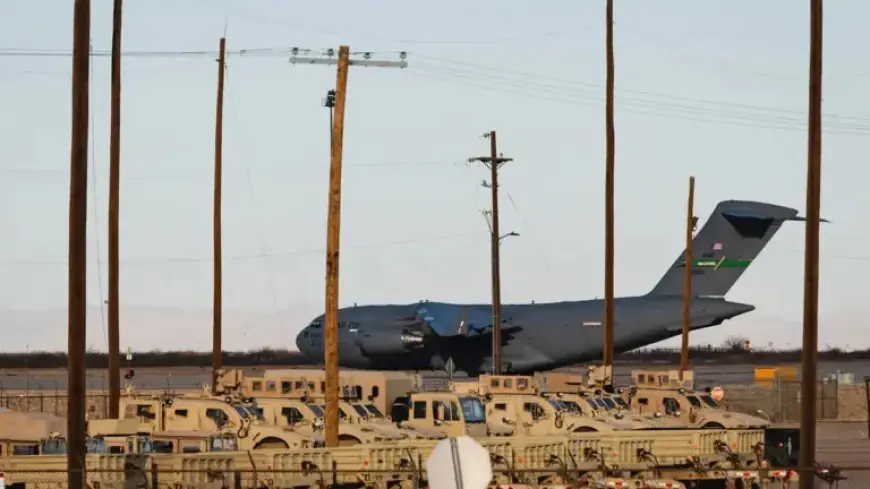
On February 13, 2025, a significant incident occurred in El Paso, Texas, that raised concerns regarding air safety and military protocol. The Federal Aviation Administration (FAA) was forced to close airspace around El Paso International Airport due to the use of a laser weapon against what was believed to be a drone. However, it was later identified as a harmless party balloon.
Background of the Incident
This event triggered an immediate emergency response from the FAA when Customs and Border Protection (CBP) personnel fired an experimental anti-drone laser system. This equipment had been borrowed from the Department of Defense but was deployed without adequate coordination with the FAA, leading to a temporary shutdown of airspace up to 18,000 feet.
Misidentification and Consequences
Initially, suspicion fell on military units at Fort Bliss, adjacent to the airport. However, investigations confirmed that the CBP was responsible for deploying the weapon. This revelation raised alarm among military leaders and FAA officials, who recognized the severe implications of uncoordinated weapon use.
Implications for Air Safety
Fort Bliss is home to the 1st Armored Division and has strict operational protocols regarding weapon deployment, prioritizing public safety. The lack of adherence to these protocols during the balloon incident highlighted significant lapses in operational discipline. Proper use of military-grade weapons requires rigorous training and established procedures to ensure safety around civilian populations.
The Dangers of Uncoordinated Actions
Using advanced military equipment in civilian areas poses risks that are often underestimated. The situation in El Paso exemplified how irresponsible weapon usage could lead to unintended consequences. The laser’s powerful capabilities could have otherwise affected nearby aircraft, leading to a potential disaster.
The Broader Issues of Militarization
This incident reflects a broader trend concerning the militarization of domestic security forces. The equipping of organizations like CBP with military-grade technology necessitates a deep understanding of military protocols to prevent dangerous occurrences. The transfer of such technology must be accompanied by the necessary training and accountability, ensuring safety in civilian contexts.
Conclusion
The El Paso balloon incident serves as a warning about the implications of military technology deployed without proper oversight. It emphasizes the necessity for accountability, strict adherence to safety protocols, and the maintenance of professional standards across all agencies. Mismanagement in such serious matters can lead to a breakdown of trust between government bodies and the public they are meant to protect.