

























Monica Seles shares ongoing battle with myasthenia gravis, underscores resilience and awareness

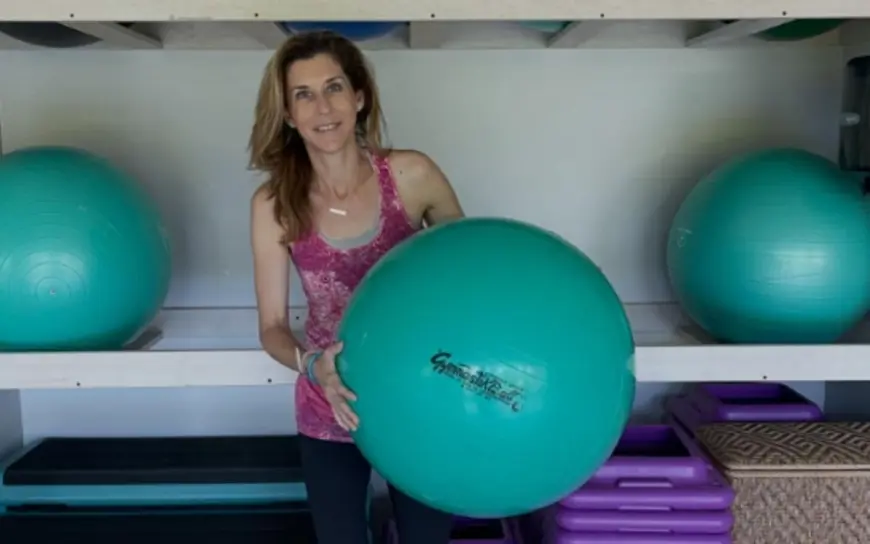
Monica Seles has spoken candidly about living with myasthenia gravis, an incurable neuromuscular autoimmune disease she was diagnosed with in 2022. The 52-year-old tennis icon detailed how the condition has reshaped her day-to-day life, from vision issues and muscle weakness to rethinking fitness and self-care, while emphasizing her commitment to raising awareness and staying positive.
A champion confronting a chronic illness
Myasthenia gravis disrupts communication between nerves and muscles, leading to fluctuating weakness and fatigue. Seles described symptoms that first appeared in subtle, unsettling ways — bouts of double vision, sudden heaviness in her legs, and a sense that her body could no longer respond reliably under physical stress. Those episodes forced her to slow down and recalibrate routines she once did on autopilot, including time on the court.
There is no known cure for the disease, and symptom severity can vary from day to day. Seles said the unpredictability has been one of the most difficult adjustments, particularly for someone whose athletic life was built on precision, timing, and consistency.
How the symptoms surfaced
Seles recalled realizing something was off when even casual hits turned puzzling. She would line up a ball and miss, noticing she seemed to be tracking two at once. Everyday tasks, too, suddenly demanded more effort. Drying her hair could leave her arms exhausted. The road to a final diagnosis was lengthy and emotionally taxing, culminating in a moment she described as shocking — and clarifying.
That turning point drove her to begin speaking openly about the condition. She said she wished she had heard from someone in a similar position when her symptoms began, and she hopes sharing her story can help others feel seen and seek support sooner.
Living with MG: management over cure
With no definitive cure, Seles focuses on managing the illness. She cites medication, lifestyle changes, and a consistently positive mindset as core tools. Training plans have been rethought around energy windows, and rest takes priority when her body signals it needs a break. The “up in the air” nature of MG requires flexibility: some days allow for exercise and mobility work; others call for scaling back.
Mental health is part of her regimen. Seles has emphasized grounding practices and the value of small joys, especially during darker months when shorter days can test mood and motivation. She frames health as a holistic balance — navigating physical symptoms while protecting emotional well-being.
Finding her voice after a difficult diagnosis
Opening up about the condition didn’t happen overnight. Seles has acknowledged it took time to process the diagnosis and to feel ready to talk about it publicly. When she did, she made clear that her goal was to normalize the conversation around myasthenia gravis, encourage earlier recognition of symptoms, and foster empathy for those whose abilities can vary from one day to the next.
By stepping forward, she aims to help demystify a disease that can be invisible to others yet profoundly disruptive to those living with it.
Resilience rooted in a storied career
Seles’s message carries weight shaped by a career defined by brilliance and perseverance. She captured 53 singles titles on the WTA Tour and nine Grand Slam crowns — eight of them as a teenager while representing Yugoslavia, and her final major representing the United States. Her public life has also included harrowing adversity; at 19, she was stabbed in the back during a 1993 match in Germany, an attack that halted her career at its peak and demanded an extraordinary comeback.
That history of resilience now informs how she faces myasthenia gravis: with grit, curiosity, and a determination to adapt. Even as the illness imposes limits, Seles continues to shape a path forward, choosing candor and community in hopes of making the journey easier for others.
What myasthenia gravis entails
Myasthenia gravis primarily affects the junction where nerves communicate with muscles, producing weakness that can intensify with activity and improve with rest. Symptoms may include drooping eyelids, double vision, difficulties with chewing or swallowing, and limb fatigue. Because symptom intensity can swing unpredictably, day-to-day function often requires adjustments — a reality Seles has embraced by listening closely to her body and tailoring her routine accordingly.
For fans who watched her define a generation of tennis, Seles’s latest chapter is not about the limits of illness but the possibilities of adaptation. In sharing her story, she is widening the conversation and reminding others facing chronic conditions that strength can look different from day to day — and still be strength all the same.