























Shapovalov serves his way into Dallas Open quarterfinals with 22 aces

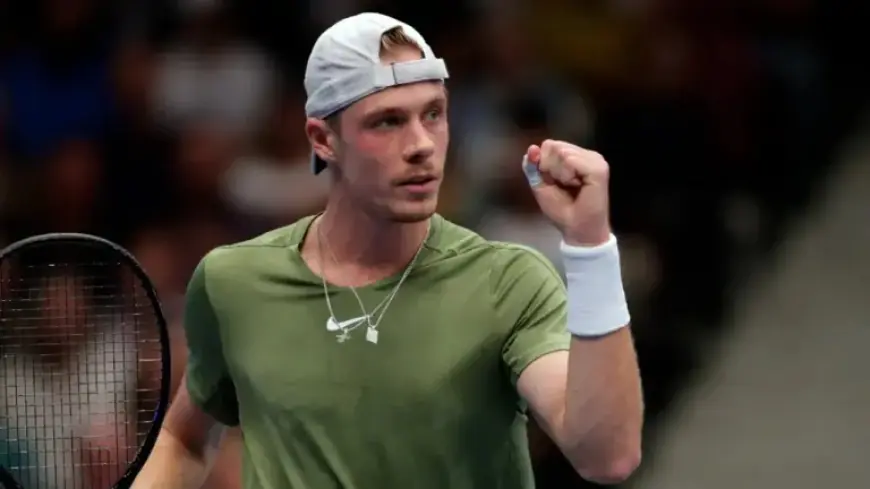
Denis Shapovalov blasted into the Dallas Open last eight on Thursday (ET), overwhelming American Aleksandar Kovacevic 6-4, 6-4 behind a ferocious serving display that produced 22 aces and just one double fault.
Serving clinic sets the tone
The seventh seed from Richmond Hill, Ontario, controlled proceedings from the line throughout. Shapovalov’s first-strike tennis kept rallies short and pressure squarely on Kovacevic, who mustered four aces and was tagged with a pair of double faults. With Shapovalov landing free points at will, the Canadian rarely faced prolonged resistance on serve.
Beyond the raw ace count, the balance on serve mattered. One double fault across two sets underlined his margin-management and shot selection, especially in the tighter moments. Each service game began with Shapovalov dictating the geometry—wide deliveries to open the court, followed by immediate forehand aggression.
Scoreline and the key separation
Both sets ended 6-4, and the separation came on the return only when necessary. Shapovalov was the only player to break serve, capitalizing on his few looks and otherwise holding with authority. With his serve clicking, he never allowed Kovacevic to gain scoreboard traction or mount a sustained push.
The match tempo suited Shapovalov’s instincts. Short points blunted Kovacevic’s rhythm and confidence, and any hint of momentum from the American was quickly extinguished by another rush of unreturnables. The discipline on second serve proved just as important: by avoiding clusters of errors, Shapovalov denied Kovacevic the windows he needed to tilt the match.
Next up: Davidovich Fokina on Friday
The win sets up a quarterfinal on Friday (ET) against third seed Alejandro Davidovich Fokina. It’s a notable step up in seed and stature during a pivotal stretch of the Dallas Open draw. The matchup invites a contrast between Shapovalov’s firepower-first approach and the challenges posed by a top-three seed in the tournament bracket.
Shapovalov’s path forward will likely hinge again on serve percentages and the ability to strike first in neutral rallies. If the ace tally remains high and the double faults stay low, the Canadian will have the platform to swing freely on return games and take strategic risks at key junctures.
What the performance says about Shapovalov’s form
Thursday’s showing highlighted clarity of intent and clean execution. The serve variety—out wide to both courts, body serves to jam the return, and timely flat deliveries up the T—created layers that Kovacevic couldn’t consistently read. Just as vital, Shapovalov’s first ball after the serve landed deep, denying counterpunching opportunities.
Even in pressure moments, the Canadian leaned into his strengths rather than retreating into caution. That conviction, combined with tidy numbers behind the line, typically signals an upswing in form. By minimizing errors and front-running with his delivery, he reduced the match to a simple equation: hold comfortably, strike once on return, and close the door.
Kovacevic’s resistance and the narrow margins
Kovacevic’s serve held up for stretches, reflected in a scoreboard that stayed within a single break. But with only four aces on the day, he couldn’t generate the same volume of free points to equalize the pressure. The difference showed most in the handful of deuce and 30-all games; Shapovalov’s serve got him out of pockets that Kovacevic couldn’t escape as reliably.
In matches decided by slim margins, the return games hinge on micro-moments—one short second serve, one missed first ball, one bold line clip. Shapovalov owned more of those moments, and that tilt was enough to carry both sets by the same 6-4 score.
Dallas Open stakes rise heading into the weekend
With a quarterfinal spot secured, Shapovalov positions himself among the week’s form players at the Dallas Open. The blueprint that worked on Thursday—high first-serve efficiency, low free errors, and precise aggression—offers a template for the next round. If replicated, it gives the seventh seed a credible shot to break into the final weekend.
Friday’s test against the No. 3 seed will reveal whether this surge in serve dominance can translate under greater pressure. For now, Shapovalov leaves Thursday with a clean, controlled win and the kind of momentum that can define a week.