























Lucinda Williams Enters Grammy Hall of Fame as New “Passionate Kisses” Cover Arrives

Lucinda Williams is enjoying a dual wave of recognition this week: her landmark album Car Wheels on a Gravel Road has been named to the 2026 Grammy Hall of Fame, and a vibrant new cover of her 1988 song “Passionate Kisses” has landed on a just-released rock album. It’s a fitting moment for an artist whose songs refuse to fade from the cultural foreground.
Car Wheels on a Gravel Road Joins the Grammy Hall of Fame
Car Wheels on a Gravel Road has been selected for the 2026 Grammy Hall of Fame, an honor that spotlights recordings at least 25 years old with lasting artistic or historical impact. The Hall currently encompasses more than a thousand titles, and this year’s class underscores a wide stylistic sweep. Alongside Williams’ watershed release are cornerstone albums such as Radiohead’s OK Computer, Funkadelic’s Maggot Brain, 2Pac’s All Eyez on Me, Janet Jackson’s Rhythm Nation 1814, Selena’s Amor Prohibido, Heart’s Dreamboat Annie, Alice Coltrane’s Journey in Satchidananda, and Nick Drake’s Pink Moon. Among the song inductions are Eric B. & Rakim’s “Paid in Full,” Bertha “Chippie” Hill’s “Trouble in Mind,” The Rouse Brothers’ “Orange Blossom Special,” Ella Jenkins’ “You’ll Sing a Song and I’ll Sing a Song,” and The Soul Stirrers’ “Jesus Gave Me Water.”
The 2026 honorees will be celebrated at a Grammy Hall of Fame Gala on Wednesday, May 8, 2026 (ET), with performers to be announced. The recognition adds another chapter to the enduring story of Car Wheels on a Gravel Road, which originally earned Williams a Grammy and set a high-water mark for roots-minded songwriting at the turn of the millennium.
Why Williams’ 1998 Classic Still Resonates
Car Wheels on a Gravel Road distilled Williams’ hard-traveled narratives, precise detail, and tangled emotions into a singular blend of country, folk, and rock. Its towns and highways feel lived-in, its relationships weathered and true. The album’s sonic grit—equal parts punch and patience—gave space for her voice to lean into a phrase and then let it ache. That balance of literary rigor and barroom immediacy helped pave the way for a generation of Americana and alt-country artists who prize raw feeling as much as craftsmanship.
More than 25 years on, the record still sounds unvarnished and alive. The stories retain their bite because Williams never chased easy sentiment; she chiseled toward clarity. The Hall of Fame nod effectively acknowledges that the album didn’t just capture a moment—it helped define one.
“Passionate Kisses” Returns in a New Voice
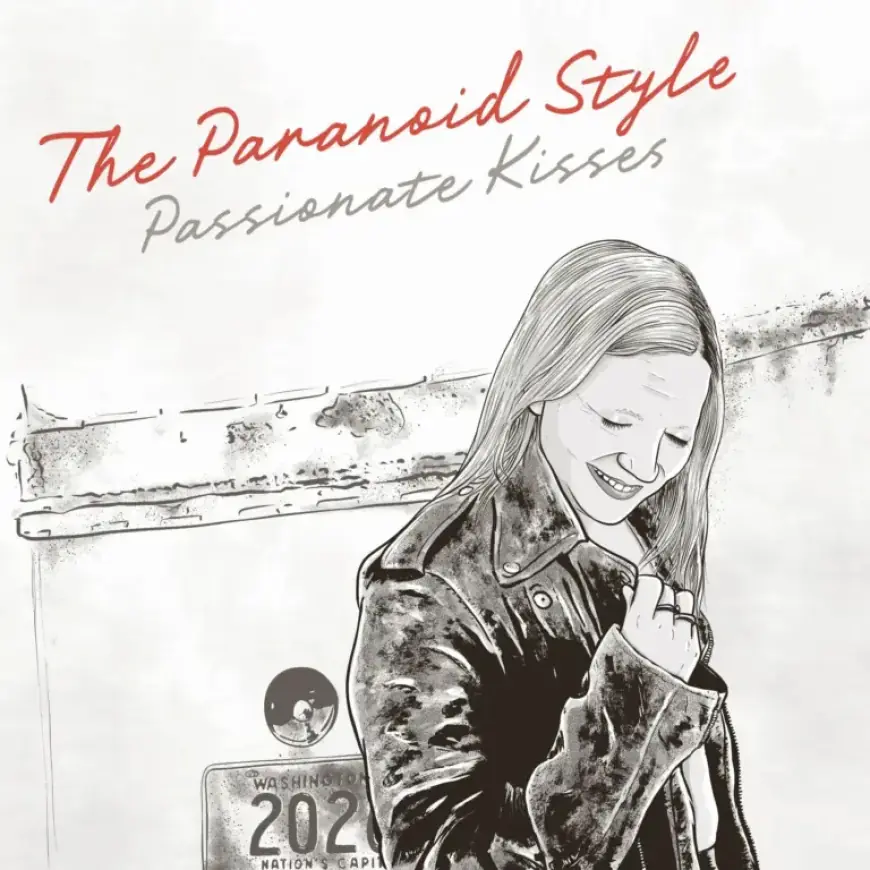
That vitality is on fresh display with a new cover of “Passionate Kisses,” the standout from Williams’ 1988 self-titled album that later became a mainstream hit for Mary Chapin Carpenter in 1992. The latest version arrives from The Paranoid Style, whose take lifts the song’s plainspoken demands—“Is it too much to ask?”—into a jangling, full-band surge. The choice of material underscores why the song endures: its wish list for love, dignity, and a life fully lived is both personal and universal, and the chorus lands with the uncomplicated force of a declaration.
Bandleader Elizabeth Nelson has spoken about being drawn to Williams’ uncompromising streak—the way she chased the right performance in the studio and never apologized for high standards. That spirit, threaded through Williams’ catalog, courses through the cover: a reminder that “Passionate Kisses” isn’t just about romance; it’s about refusing to shrink your wants.
New Album Day for The Paranoid Style
The cover anchors The Paranoid Style’s new album, Known Associates, out Friday, Feb. 13, 2026 (ET). The record arrives after a run of advance tracks—“Elegant Bachelors,” “White Wine Whatever,” “It’s A Dog’s Breakfast (For LR),” and “Tearing The Ticket”—that spotlight the band’s knack for punchy hooks and literate quips. Folding “Passionate Kisses” into that set sharpens the album’s thematic edge: desire as a political stance, satisfaction as something you claim, not request.
In a week dominated by milestones, the timing also underscores how living songs keep finding new angles. Williams’ original frames a simple question that doubles as a provocation. Heard anew amid the album’s brisk guitars and quick-turn melodies, that question feels even more urgent: Why settle for less?
A Legacy Still in Motion
Williams’ influence has expanded far beyond any single accolade. The Hall of Fame induction formalizes what listeners already know: her catalog is a compass point for songwriters who value detail, truth-telling, and the courage to hold out for the “ineffable thing” that makes a take feel right. The new cover, meanwhile, illustrates how her songs adapt without losing their marrow. It’s not a museum piece; it’s a living document—passed hand to hand, stage to stage, decade to decade.
Honors can frame a legacy, but it’s performances and re-interpretations that keep it breathing. This week delivers both for Lucinda Williams, and the result feels less like a look back than a clear sign the songs are still moving forward.