

























Lower Unemployment Rate Prompts Extended Fed Pause

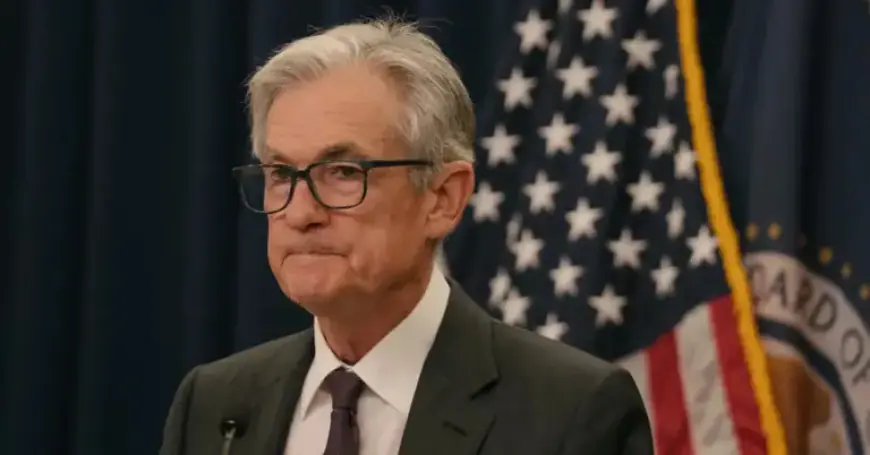
The recent drop in the unemployment rate and substantial job growth have led to an extended pause in interest rate adjustments by the Federal Reserve. These developments suggest a more robust economy, prompting analysts to reassess the timeline for potential rate cuts.
Significant Job Growth and Lower Unemployment Rate
According to data from the Bureau of Labor Statistics released on Wednesday, the economy gained 130,000 jobs in the past month. This figure surpasses economists’ expectations, indicating a strong job market. The unemployment rate now stands at 4.3 percent, down from 4.5 percent in January and slightly lower than last December.
- Jobs Growth: 130,000 positions added
- Unemployment Rate: 4.3 percent
- January Peak: 4.5 percent
Impact of Policy Changes and Economic Factors
The labor market’s dynamics are being influenced by immigration policies introduced during President Trump’s administration, which have restricted new worker migration. This change affects the labor supply and the number of jobs required to maintain a stable unemployment rate.
Research indicates that the economy may need fewer new jobs to keep unemployment stable, potentially leading to a negative requirement within this year. In 2024, it’s estimated that the break-even number of new jobs necessary may be significantly higher than 100,000.
Market Reaction and Fed Outlook
After the jobs report, financial markets responded quickly. Traders adjusted expectations for the next interest rate cut from June to July. Economist Stephen Juneau highlighted the decreasing likelihood of a substantial labor market contraction, emphasizing that the economy seems to be gaining momentum.
The Federal Reserve aims to balance labor market health while managing inflation, which is targeted at 2 percent. Although tariffs from recent trade policies have created price pressures, the overall economic effect has been less severe than predicted. The Fed anticipates the peak impact of these tariffs to occur in the first quarter of this year, after which inflation may decelerate.
Inflation Trends and Market Indicators
The upcoming Consumer Price Index report for January is expected to show inflation rates decreasing to 2.5 percent, following a monthly increase of 0.3 percent. Core inflation, excluding volatile food and energy prices, is also forecasted to remain relatively stable.
Labor-related price pressures have shown signs of easing, as indicated by the employment cost index, which recorded slower growth in the last quarter of 2025. This observation supports the perspective that the economy may be cooling, despite ongoing elevated tariff impacts.
Future Economic Considerations
As 2024 approaches, economists expect that increased tax refunds from Trump’s tax cuts will boost consumer spending. This, combined with a potential easing of trade uncertainties ahead of the midterm elections, could enhance business confidence.
Recent comments from Fed Chair Jerome H. Powell reflected a cautious optimism. He characterized the labor market as stabilizing and noted strong consumer spending. However, divisions within the Fed regarding interest rate policy remain, particularly concerning inflation versus labor market health.
Outlook for Interest Rates
While analysts anticipate a gradual fall in rates toward 3 percent, the pace of these reductions is expected to slow down. The Fed’s current position is that any future rate cuts depend largely on significant shifts in the labor market or inflation dynamics.
Despite political pressure from President Trump advocating for lower rates, the Fed maintains its independence in pursuing its dual mandate of stable inflation and a healthy labor market.