






















Regulators Investigate Bad Bunny’s ‘Disturbing’ Halftime Show Performance

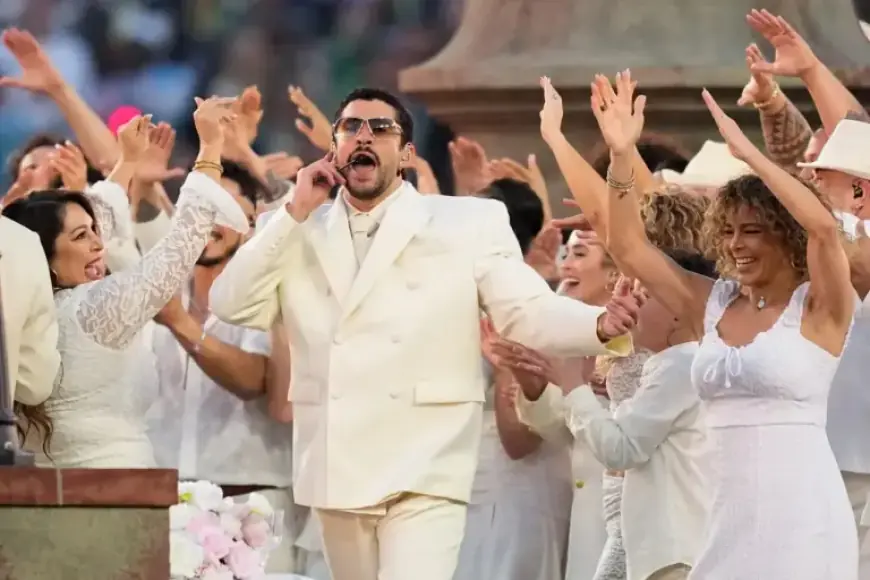
Bad Bunny’s halftime show during the Super Bowl attracted a staggering 135.4 million viewers, yet it was not met with universal acclaim. In the aftermath, controversy has erupted, drawing the attention of several lawmakers.
Investigation into Halftime Performance
Rep. Mark Alford, a Republican from Missouri, announced that Bad Bunny’s performance is under investigation. He alleged, without substantiation, that the Puerto Rican artist used explicit language during the show. Alford mentioned he does not speak Spanish fluently but claimed to have received disturbing information about Bad Bunny’s lyrics.
Response from Political Figures
During a recent interview, Alford expressed concern about the content broadcasted on national television. He conveyed his intention to consult with Brendan Carr from the Federal Communications Commission (FCC) regarding this matter.
- Alford described the performance as “bad” and more information is expected on the lyrics.
- He acknowledged a lack of understanding of Spanish but insisted on the severity of the situation.
In a similar vein, Republican Congressman Randy Fine took to social media, labeling Bad Bunny’s performance “illegal.” He pointed out that certain explicit language should not air on live television.
Community Reactions
Fine’s sentiments were echoed by others who argued that if such lyrics had been presented in English, swift action would have been taken. He emphasized that Puerto Ricans, as American citizens, should adhere to the same broadcasting standards.
- Fine stated that the disgusting nature of the performance warrants significant penalties.
- He indicated plans to petition the FCC for a review of broadcasting licenses associated with the NFL and NBC.
Self-Censorship and Message of Unity
Despite the allegations, reports indicate that Bad Bunny took steps to self-censor his lyrics, omitting profane language and explicit content. His performance was framed under a positive message: “The only thing more powerful than hate is love.”
This approach highlights his intent to focus on a unifying theme rather than political controversy. As the situation unfolds, the spotlight remains on both the artist and the regulatory responses to his show.