

























FTC Warns Apple’s Tim Cook of Alleged Apple News Political Bias

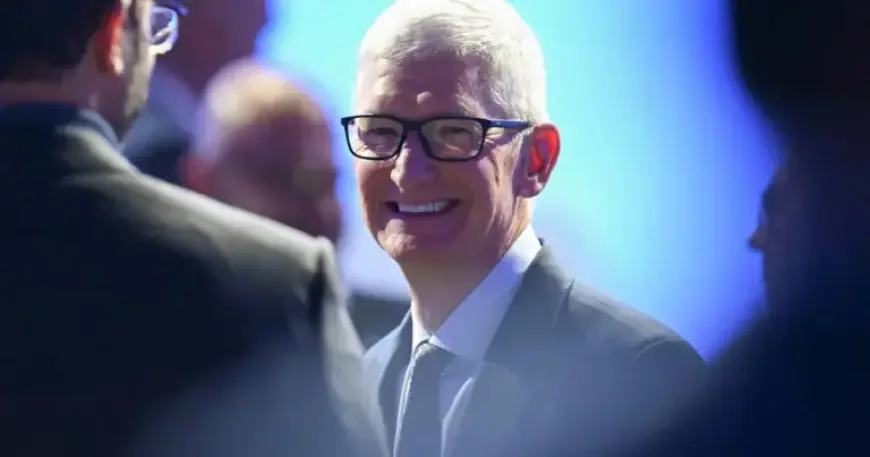
The Federal Trade Commission (FTC) issued a warning to Apple CEO Tim Cook regarding its Apple News platform. The agency raised concerns over allegations that the news aggregator favors left-leaning sources while suppressing right-leaning content. This allegation stems from a report produced by the Media Research Center, a conservative watchdog group.
FTC’s Warning and Allegations Against Apple News
FTC Chairman Andrew Ferguson alerted Tim Cook that these practices could potentially violate the FTC Act. This law prohibits any unfair or deceptive acts or practices. Ferguson emphasized that if the claims are accurate, they might misrepresent the platform’s neutrality.
Details of the Media Research Center’s Findings
The Media Research Center conducted an analysis of over 600 stories featured on Apple News from January 1 to January 31. The report revealed that:
- More than 400 stories were sourced from outlets considered left-leaning.
- Right-leaning news sources were notably absent from users’ feeds.
To assess the political bias of these sources, the Media Research Center utilized data from AllSides, which rates publications based on their perceived ideological slant.
Call for Corrective Action
Ferguson urged Apple to reassess its article curation process. He stated that policies excluding certain news outlets hinder public discourse and contradict fundamental American values. The FTC chairman stressed the significance of a balanced exchange of ideas in a democratic society.
Legal Implications of the Warning
The FTC also suggested that Apple might be violating its own terms of service if it fails to disclose practices that can lead to significant consumer confusion or harm. Ferguson clarified that while the FTC is not a “speech police,” it has a mandate to protect consumers from misleading practices.
Apple has not yet responded to requests for comment on this matter. The scrutiny of Apple News raises questions about the responsibility of tech giants in managing content and their potential impact on public opinions and beliefs.
As the situation develops, further analysis may be necessary to understand the implications for digital news platforms and their policies.