

























El Paso Airspace Closure: Trump Administration Faces Communication Breakdown Criticism

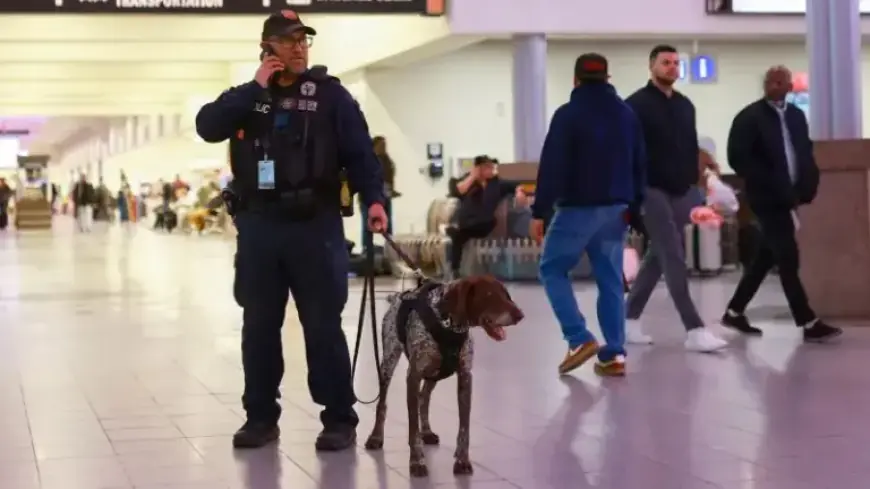
The unexpected closure of airspace over El Paso, Texas, has sparked significant controversy within the Trump administration. Key officials reported being unaware of the Federal Aviation Administration’s (FAA) decision to restrict airspace for ten days. This incident has triggered a series of blame games among various government departments, highlighting communication breakdowns in critical areas.
Background of the Airspace Closure
On a Wednesday morning, the FAA announced the unprecedented restriction of airspace above El Paso. This move was described as essential for national defense by classifying the area as “Defense Airspace.” Pilots violating the restriction faced interception. Senior officials within the Trump administration quickly expressed frustration over the decision.
Internal Blame and Communication Breakdown
The White House, angered by the FAA’s lack of communication, pointed fingers at the agency for not alerting relevant personnel regarding the airspace closure. Officials indicated that while Transportation Secretary Sean Duffy had prior knowledge of the FAA’s plans, he failed to disseminate that information effectively.
- White House officials expressed that frustration was directed at Duffy, as well as FAA Administrator Bryan Bedford.
- Accusations emerged against the Department of Homeland Security (DHS) and the Pentagon for deploying counter-drone technology without informing the FAA.
Crisis Management Response
Sources revealed that Customs and Border Protection deployed a high-energy laser system, leading to the airspace closure. While the government officially attributed the closure to drone incursions from Mexican drug cartels, critics argue that similar situations have occurred before without such drastic measures.
One administration official noted that the threat to civil aviation was minimal throughout the operation. He stated, “At no point were civilian aircraft in danger.” However, the rapid implementation of drone technology raised immediate concerns among officials regarding its impact on commercial air traffic.
Local Impact and Officials’ Reactions
El Paso’s local representatives expressed their dissatisfaction with the FAA’s actions. Mayor Renard Johnson criticized the restriction’s implementation, stating, “We received no information about the grounding—our city was going to be shut down for ten days.” The mayor drew comparisons between this incident and past shutdowns due to national emergencies, noting the lack of immediate communication.
- El Paso has a population of nearly 700,000 residents.
- The city’s economy heavily relies on cross-border commerce with Ciudad Juárez, Mexico.
Looking Ahead
As the situation surrounding the airspace closure unfolds, concerns about the efficacy of inter-agency communication remain prevalent. With a perceived divide between the FAA and the Pentagon, future operations may face scrutiny. Lawmakers are now calling for accountability, highlighting the need for transparency and effective coordination among federal agencies.
The incident serves as a reminder of the challenges faced by the Trump administration in navigating complex government operations, particularly when national security is at stake. Effective communication and preparedness are essential to prevent similar situations in the future.