























‘Wuthering Heights’ Adaptation Lacks Depth, Shines Superficially

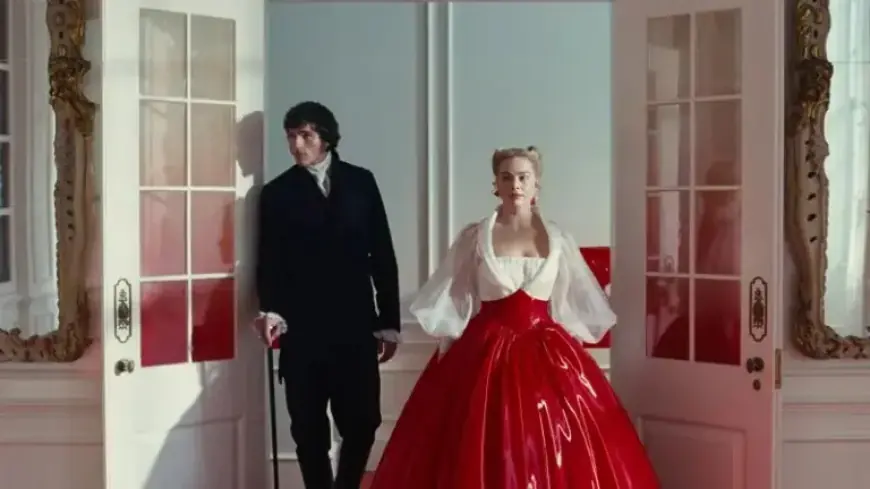
Emerald Fennell’s adaptation of “Wuthering Heights” has sparked notable debate upon its release, highlighting a significant departure from Emily Brontë’s original work. The British writer and director has chosen to present only the first half of the gothic novel, truncating the complex storyline that unravels generational trauma and deep emotional struggles.
Surface-Level Engagement in Fennell’s Adaptation
This version offers a visually stunning experience, yet lacks depth in its narrative. Audiences are treated to a feast for the eyes, with elaborate costumes and striking visuals that overshadow the underlying themes of the novel. Fennell’s approach, rich in aesthetic detail, appears to prioritize visual appeal over narrative substance.
A Focus on Visuals, Not Depth
Character development suffers in this adaptation, as the plot feels significantly diluted. Fennell incorporates provocative imagery—such as intimate scenes—while neglecting the intricate emotional layers present in Brontë’s text. Critics are quick to note that this adaptation presents a version of the story that is “Wuthering Heights” in name only, as it disengages from the novel’s core messages.
Stylistic Choices and Historical References
- Fennell employs quotation marks around the title, signaling a subjective interpretation.
- She draws inspiration from mid-20th century cinema, particularly referencing William Wyler’s 1939 adaptation.
- Costume designer Jacqueline Durran created over fifty costumes for the character Cathy, echoing the lavish styles of previous eras.
During promotional events, Fennell expressed that her work is steeped in cinematic tradition rather than historical accuracy, deliberately aiming to provoke thought around authenticity in period dramas. This dissociation from realism is evident in Cathy’s emblematic costumes, which lean more towards expression than fidelity to the original time period.
Audience Reception and Future Implications
The critical reception of this adaptation remains divided. While some appreciate the visual storytelling, others feel it lacks the emotional weight necessary to resonate with the themes of love and loss reflected in Brontë’s novel. Fennell’s intent appears rooted in appealing to cinephiles rather than literary purists.
As audiences process this adaptation, it raises the question of whether style can compensate for a shallow narrative. Although Fennell’s “Wuthering Heights” dazzles with its cinematic flair, it risks alienating those seeking a deeper connection to Brontë’s poignant exploration of the human condition.