

























Heathcliff’s Ethnicity Sparks Ongoing Debate Among Literary Experts

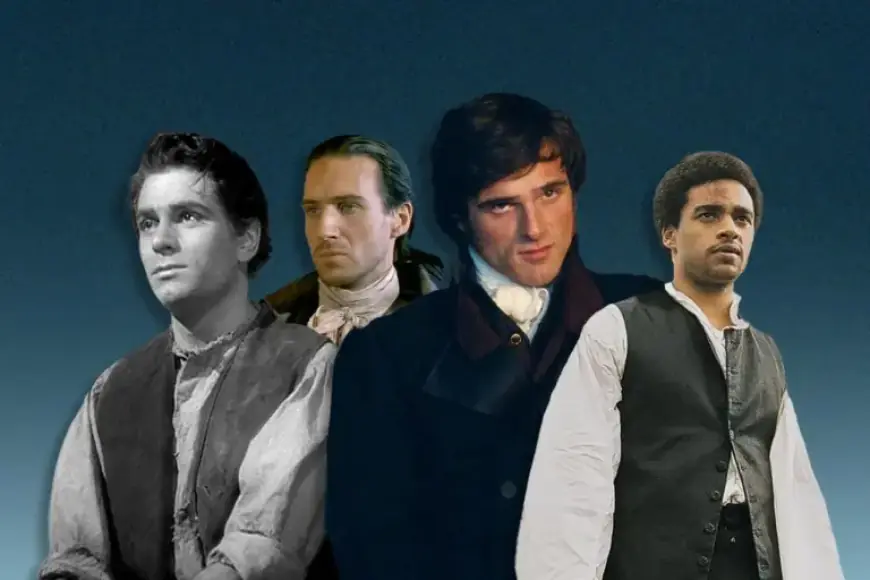
The casting of Jacob Elordi as Heathcliff in Emerald Fennell’s upcoming adaptation of *Wuthering Heights* has reignited a long-standing debate among literary scholars and fans about Heathcliff’s ethnicity. Since its announcement, there has been significant discourse on whether the character, renowned for his complexity and darkness, should even be depicted as white.
Controversy Surrounding Heathcliff’s Ethnicity
The announcement of Elordi’s casting has sparked significant backlash online. Critics argue it is inappropriate to cast a white actor in a role often interpreted as a person of color. This narrative escalated as discussions emerged about other potential actors like Dev Patel or Shazad Latif, both of whom could present a different racial perspective for the character.
On social media platforms like X, users have engaged in heated debates. Many are questioning interpretations of Emily Brontë’s 1847 novel to ascertain Heathcliff’s true ethnicity. Some assert he is clearly depicted as a character of color, while others maintain the traditional view of his whiteness.
Historical Context of Heathcliff’s Character
In the text, Heathcliff’s origins are shrouded in ambiguity. He is introduced as “dark” and is often referred to as a “gypsy,” indicating a potential ethnic otherness. Literary interpretations have ranged widely over the years, suggesting he could be of Romani, Spanish, Indian, or even African descent. The specifics of Heathcliff’s race remain elusive, contributing to ongoing analysis.
- His arrival in Liverpool in 1771 marks him as an outsider.
- Various characters describe him with racialized language, reflecting societal attitudes of the time.
- Scholars have connected Heathcliff’s background to colonialism, examining the racial dynamics at play.
Scholarly Interpretations
Academic discussions have historically centered around Heathcliff’s character complexities. In the 1990s, scholars began to analyze Heathcliff’s potential racial identity in more depth. For instance, Maja-Lisa von Sneidern posited that Heathcliff’s origin story is intertwined with the broader narrative of race and colonialism in 19th-century Britain.
Additionally, literary theorist Terry Eagleton presented the idea that Heathcliff could symbolize aspects of Irish identity, highlighting the variability in interpretations based on cultural contexts.
Impact of Modern Adaptations
Emerging adaptations of *Wuthering Heights* have sought to reinterpret Heathcliff’s character in light of these discussions. Some have visually represented him as a Black man, directly challenging traditional portrayals. For example, Andrea Arnold’s 2011 film adaptation cast a Black actor in the role, emphasizing the racial dimensions of the story.
Brontë’s original text, while often celebrated for its emotional depth, has come under scrutiny for its treatment of race and character dynamics. Critics note that the layered cadences of the novel offer fertile ground for discussions about identity and otherness
Conclusion
The casting choice for Heathcliff continues to be a focal point for much-needed conversations about race and representation in literature and film. As Emerald Fennell prepares for the release of her adaptation, audiences will undoubtedly speculate about how her vision aligns with or alters the established narrative about Heathcliff’s ethnicity. The conversation surrounding Heathcliff’s racial identity is not likely to conclude, further propelling inquiries into how classic literature interacts with contemporary issues of race and identity.