





















Ukraine’s Vladyslav Heraskevych Exits Olympics Due to Banned Memorial Helmet

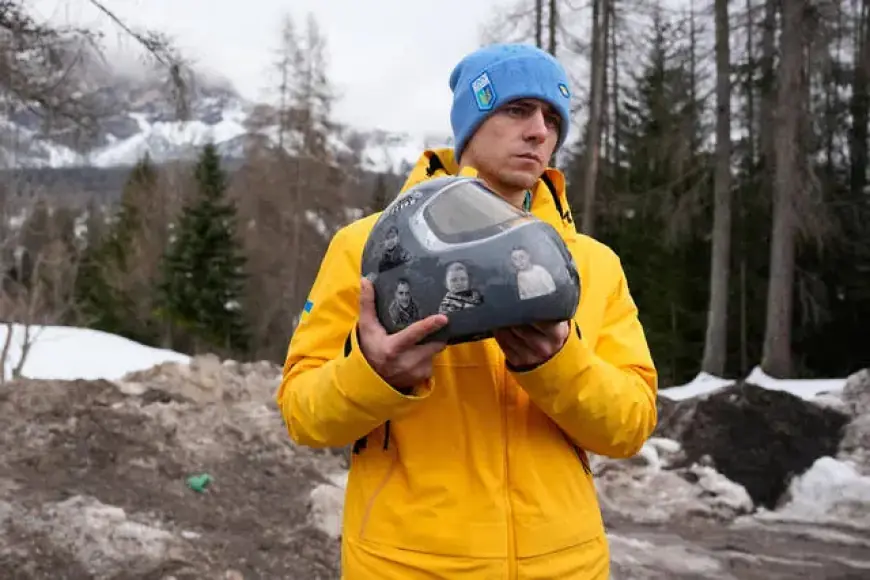
Ukrainian skeleton athlete Vladyslav Heraskevych faced disqualification from the Milan Cortina 2026 Olympics due to his decision to wear a memorial helmet. This helmet honors over 20 athletes and coaches who lost their lives since Russia’s invasion of Ukraine began four years ago. The International Olympic Committee (IOC) barred him from competing, forcing a poignant decision shortly before the race was set to begin.
Decision to Disqualify Heraskevych
Approximately 45 minutes before the competition, the IOC requested Heraskevych switch to a different helmet, claiming his choice violated rules against political statements in sports. The International Bobsled and Skeleton Federation supported this stance, stating the helmet was “inconsistent with the Olympic Charter and Guidelines on Athlete Expression.”
- Helmet usage: Heraskevych wore the helmet during training.
- IOC’s request: Asked him to wear a different helmet for races.
- Offer of alternatives: IOC suggested options like wearing a black armband instead.
Heraskevych expressed his dismay, highlighting feelings of discrimination, as many other athletes had been allowed to express themselves without facing repercussions. “I believe that I’m not violating any rules,” he stated.
Meeting with IOC President
IOC President Kirsty Coventry, who came to the sliding center to meet Heraskevych, spent around ten minutes discussing the matter. Despite her efforts, they could not find common ground on the helmet issue. Coventry was visibly emotional after the meeting, stating, “I really wanted to see him race today. It’s been an emotional morning.”
Potential for Appeals
Despite Heraskevych’s decision to appeal the disqualification to the Court of Arbitration for Sport (CAS), the first two races took place without his participation. The next two runs were scheduled for Friday, and the possibility of a timely response from CAS remained uncertain.
Even with the challenge ahead, the IOC allowed Heraskevych to retain his Olympic credential, permitting him to stay at the Games in a non-competitive capacity.
Responses from Ukraine and Broader Community
The decision to disqualify Heraskevych triggered swift backlash from Ukraine officials and athletes. President Volodymyr Zelenskyy emphasized the importance of sports in times of war, addressing the IOC’s actions on social media. “Sport shouldn’t mean amnesia, and the Olympic movement should help stop wars,” he stated.
- Support from fellow athletes: Ukrainian athletes in the luge relay team demonstrated their solidarity by kneeling and raising their helmets.
- Critical voices: Skier Kateryna Kotsar condemned the IOC’s decision, calling it a disgrace.
Previous Ongoing Issues with IOC
Heraskevych had previously received support from the IOC during the 2022 Beijing Olympics after showcasing a “No war in Ukraine” message. He argued that the IOC had inconsistencies in handling different forms of expressions among athletes. This ongoing contradiction has raised questions about the rules governing athlete expression in Olympic events.
Mark Adams, an IOC spokesperson, addressed concerns that allowing athletes unrestricted expression could disrupt sports integrity, stating, “If we have no rules, we have no sport.”
A Compelling Background
Heraskevych was a strong contender for a medal, having secured fourth place in the previous year’s world championships. Regardless of the potential achievements at the Olympics, his commitment to honoring those lost in the conflict took precedence. “The International Olympic Committee destroyed our dreams,” lamented Mykhailo Heraskevych, the athlete’s coach and father, emphasizing the unfairness of the situation.