




















Warner Bros’ Oscar Campaigns Clash: ‘Sinners’ Faces Fierce Competition

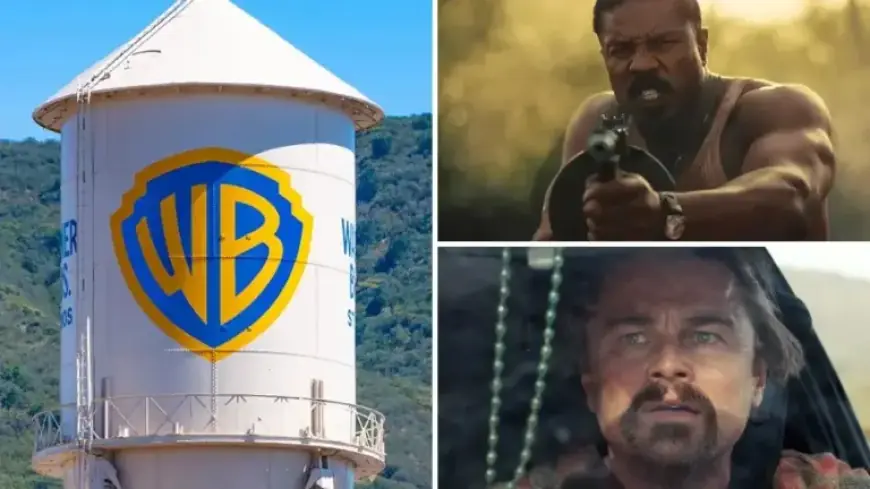
Warner Bros. is experiencing a remarkable Oscar season, backing two strong best picture contenders: Paul Thomas Anderson’s “One Battle After Another” and Ryan Coogler’s “Sinners.” This dual support brings both an opportunity and a challenge for the studio. Maintaining equal promotion for both films is crucial to avoid any perception of favoritism among voters.
Balancing the Campaigns
Oscar season is as much about perception as it is about momentum. Voters want to feel independent in their choices, making it vital for Warner Bros. to treat both contenders with equal marketing efforts. The studio is committed to equal budgets, statements, and attention for each film. Every detail, from screening invitations to promotional ads, is closely examined to prevent any hint of bias.
A Tale of Two Contenders
- One Battle After Another: This film gained early traction, winning 35 critics’ and guild awards. Its success echoes historic wins by films like “Schindler’s List” and “The Social Network.”
- Sinners: The drama broke records on Oscar nomination morning, achieving 16 nominations, the highest ever. This unprecedented success positions it as a strong contender for best picture.
The unexpected rise of “Sinners” has led to heightened competition, forcing Warner Bros. publicists and strategists to manage expectations delicately. They must maintain an impartial stance, as even subtle reactions during awards events can signal favoritism.
The Stakes Involved
Both Anderson’s and Coogler’s teams deny any claims of preference. In fact, there appears to be mutual respect between the two filmmakers, which hopefully translates into a collaborative spirit throughout the campaign.
Recent Historical Context
Warner Bros. finds itself in a rare position, as recent examples of a studio promoting two frontrunners include the 2017 season with “Three Billboards Outside Ebbing, Missouri” and “The Shape of Water.” Past instances feature Paramount’s dual support for “The Godfather Part II” and “Chinatown.” However, modern Oscar campaigns operate on a much larger scale.
Financial Considerations
Modern campaigns often mimic political races, characterized by multimillion-dollar budgets. Sources indicate that Warner Bros. allocated $14 million to $16 million for each film’s campaign, maintaining almost identical budgets. Balancing screening schedules and promotional efforts is essential to uphold the perception of fairness among the contenders.
Future Implications
This competitive environment provides a morale boost for Warner Bros., coinciding with a pivotal moment amidst uncertainty due to its impending sale to Netflix. The dual nominations serve as both a celebration and a farewell, highlighting the studio’s achievements during a transformative period.
One industry executive captured the sentiment: “It’s like throwing yourself the world’s best going-away party.”