

























Ford Targets New Battery Market Expansion

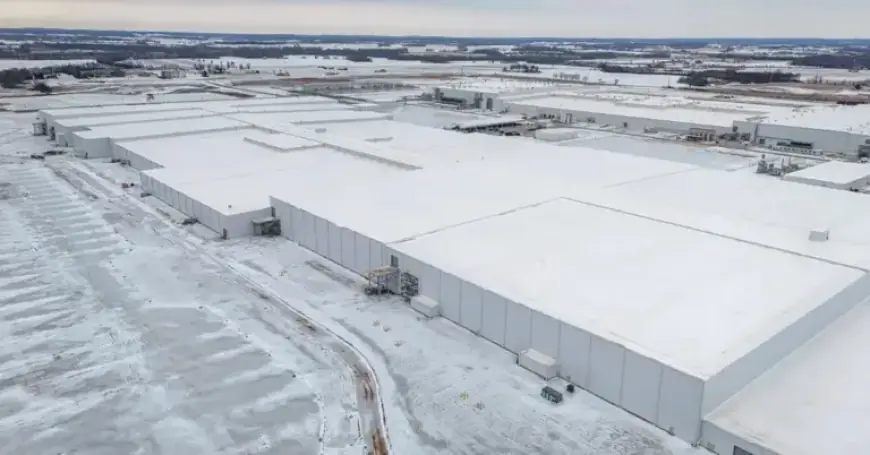
Ford Motor Company is pivoting its focus towards the battery storage market as it reconfigures its Glendale, Kentucky, factory. This facility, which spans eight million square feet, originally produced batteries for electric vehicles but faced low sales. To address this, Ford plans to manufacture large-scale batteries suitable for utilities and data centers.
Strategic Shift in Battery Production
Ford aims to capitalize on the growing demand for energy storage solutions. The company is set to restart production next year, leveraging its extensive manufacturing experience and advanced battery technology. Kentucky Governor Andy Beshear expressed optimism, stating, “The demand is enormous.”
Challenges and Competitors
This venture into battery production presents risks for Ford, as the company has minimal experience in manufacturing batteries. It will face competition from established players like Tesla, LG Energy Solution, and SK On. Ford and SK On previously operated a joint venture for battery manufacturing, but they parted ways in December.
Impact of Market Conditions
Ford’s decision comes amidst a challenging automotive landscape shaped by tariffs and changing policies. The company halted production of the F-150 Lightning, an electric pickup, after federal tax credits expired. Consequently, Ford adjusted its earnings by $19.5 billion, highlighting losses tied to its Kentucky facility.
Financial Investments
Ford has committed an additional $2 billion to upgrade the Glendale plant for its new battery initiatives. Despite recent financial setbacks, the federal government continues to support battery storage manufacturing, presenting a silver lining for Ford’s future prospects.
Growing Demand for Energy Storage
- Data centers: Require consistent power supply.
- Utilities: Need batteries for peak demand management.
- Emergencies: Batteries provide crucial energy during outages.
Industry experts believe Ford’s extensive history and resources may enhance its ability to compete. Lenny LaRocca from KPMG noted the stagnation in overall auto sales, encouraging automakers to explore alternative profit avenues.
Workforce Considerations
The transition to battery production raises concerns for the 1,600 workers laid off during the initial factory shutdown. While Ford is not guaranteeing their rehiring, it promises to consider their applications for 2,100 new roles. Labor union representatives acknowledged Ford’s commitment to maintaining operations but urged for the retention of union jobs.
As Ford enters this new chapter, the success of its battery storage venture will depend on navigating ongoing market dynamics and competition. The company must also address workforce challenges as it adapts to the evolving energy landscape.