

























Khan Academy CEO Warns AI Job Cuts Could Trigger Depression-Level Impact

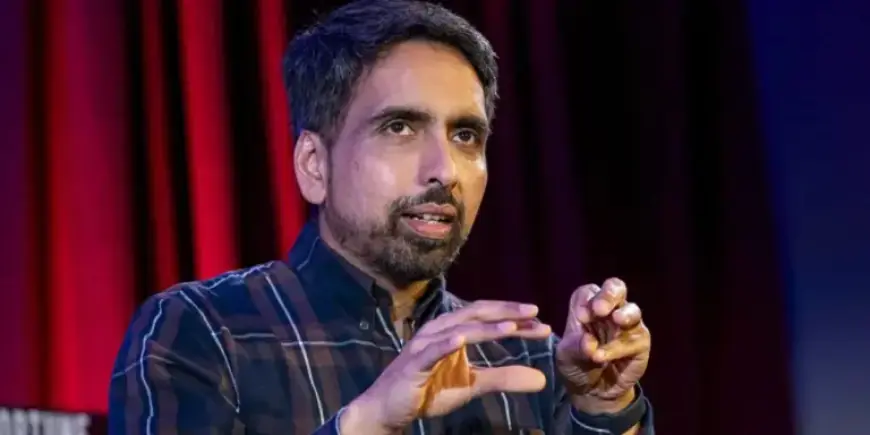
The rapid advancement of artificial intelligence (AI) is raising alarms about its potential impact on the workforce. Salman Khan, CEO of Khan Academy, has expressed concerns about impending job losses due to AI technologies. He posits that even a 10% reduction in white-collar jobs could create a scenario resembling a depression.
Khan Academy CEO Warns of AI Job Cuts and Societal Impact
Current AI Milestones and Predictions
AI has seen significant achievements over the years. Noteworthy milestones include:
- 1997: IBM’s Deep Blue defeats chess champion Garry Kasparov.
- 2023: ChatGPT passes the bar exam.
- 2022: Google DeepMind wins gold at the International Math Olympiad.
Experts, including prominent figures like Elon Musk, predict that artificial general intelligence may emerge as soon as this year. These innovations, while exciting, carry hidden economic challenges.
Concerns Over Job Displacement
Khan warns that the shift caused by AI could lead to mass unemployment. He said, “If white-collar work were to shrink even 10%, it’s going to feel like a depression.” This situation could also create an identity crisis for those whose jobs define their self-worth.
Statistical Projections
Recent research projects significant job losses due to AI. The following predictions have been made:
- A 2025 MIT study forecasts that AI could replace 12% of the U.S. workforce.
- In the previous year, around 55,000 layoffs were linked to AI implementation.
The Broader Impact of Automation
Khan notes that AI’s effects are not limited to white-collar roles. The gig economy is also facing threats, particularly from automation in rideshare services. Driverless cars from companies like Waymo and Tesla could disrupt over one million rideshare jobs across the U.S.
Proposed Solutions for Workforce Reskilling
In response to these challenges, Khan proposed initiatives to prepare workers for the changing job landscape. He suggests that major corporations commit 1% of their personnel costs or profits to fund national reskilling efforts. This would help displaced workers transition into viable new roles in fields like healthcare or technical services.
Current Economic Climate
Despite concerns, recent jobs data showed the unemployment rate at 4.3%, indicating a relatively stable job market for now. However, early AI-related layoffs, including a significant cut of 4,000 customer service positions at Salesforce, signal the need for immediate action to prevent future disruptions.
As AI technology progresses, Khan urges leaders to proactively implement strategies to mitigate potential job loss and safeguard the workforce against the looming changes that AI promises to bring.