









Ukraine Skeleton Racer Disqualified from 2026 Olympics for Tribute Helmet

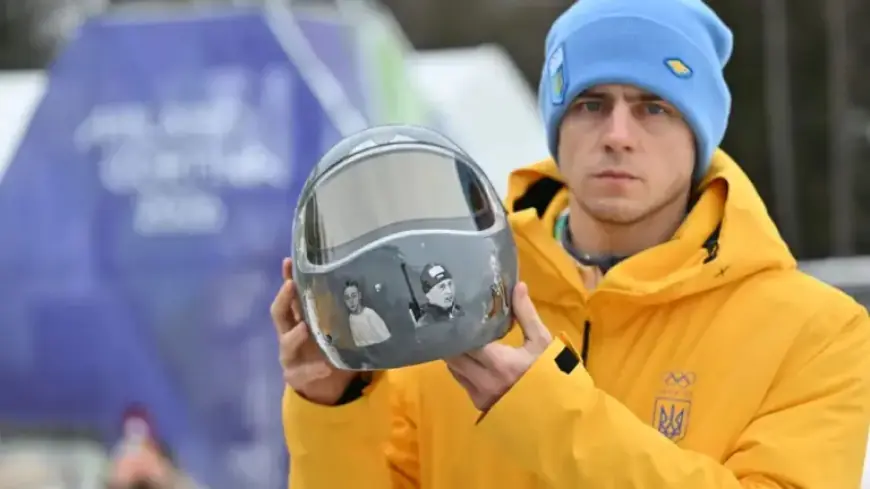
Ukrainian skeleton athlete Vladyslav Heraskevych has been disqualified from competing in the 2026 Winter Olympics due to the design of his helmet. This helmet features images of individuals who lost their lives as a result of the ongoing conflict with Russia. The International Olympic Committee (IOC) ruled that the helmet violated guidelines pertaining to political expressions during competitions.
Disqualification Announcement
Just before the scheduled event, the IOC officially announced that Heraskevych would not be allowed to compete at the Milano Cortina 2026 Games. The decision followed his refusal to compromise on the matter, despite ongoing discussions with the IOC. In a statement published on X, the IOC confirmed this outcome.
Reasons Behind the Decision
- Helmet design featured tributes to those killed in the war.
- IOC cited violations of athlete expression guidelines.
- Heraskevych declined to wear an alternative, such as a black armband.
The IOC expressed their disappointment over the situation, stating that they had made several attempts to reach a resolution with Heraskevych. Despite this, he maintained that his helmet was compliant with the rules regarding athlete expression.
Heraskevych’s Response
After hearing the ruling, Heraskevych communicated feelings of “emptiness.” He emphasized that he believed his performance leading up to the event indicated strong potential for a medal. He requested that his final training run be broadcast to honor the athletes depicted on his helmet.
Legal Action Considerations
In light of the disqualification, Heraskevych is planning to escalate his case to the Court of Arbitration for Sport (CAS). He expressed a determination to advocate for his rights as an athlete.
IOC’s Stance
IOC President Kirsty Coventry stated that the decision was based on adhering to the guidelines unanimously established by the IOC Athletes’ Commission. She clarified that the issue at hand was not about the political implications of the message but rather about maintaining a specific standard for expressions during the Games.
Possible Future Developments
The ongoing situation sets the stage for a significant legal battle as Heraskevych prepares to challenge the IOC’s ruling. Meanwhile, the IOC’s regulations on athlete expression remain a focal point in discussions surrounding the intersection of sports and political statements.