






















Ukraine’s Vladyslav Heraskevych Exits Olympics for Helmet Honoring War Dead

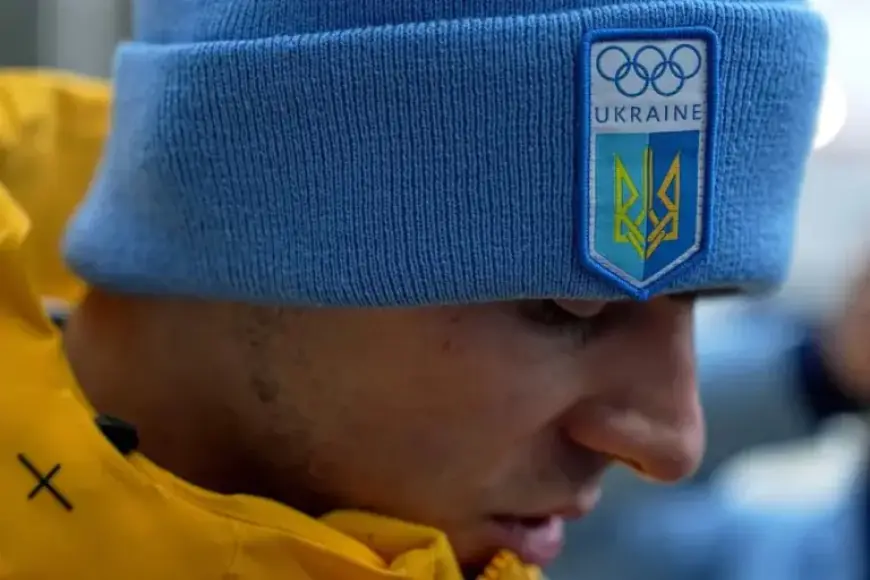
Ukrainian skeleton athlete Vladyslav Heraskevych has made headlines for refusing to remove his helmet honoring war victims, resulting in his disqualification from the 2026 Milan Cortina Winter Olympics. This decision unfolded just 45 minutes before the competition began.
Background of the Incident
Heraskevych wore a helmet that commemorates over 20 athletes and coaches who lost their lives in the ongoing war in Ukraine. The International Olympic Committee (IOC) intervened shortly before his race, requesting him to change his helmet due to regulations against political statements in sporting events. Despite potential solutions, including wearing a black armband, he stood firm in his choice.
Responses from the IOC and Heraskevych
IOC President Kirsty Coventry met with Heraskevych in a bid to reach a compromise but ultimately failed. Coventry expressed her emotional conflict over the resolution, stating, “We didn’t find common ground in this regard.” The IOC acknowledged the importance of Heraskevych’s message but cited the need for adherence to the Olympic Charter.
Disqualification and Its Impact
Following the IOC’s final decision, Heraskevych, while not officially competing, retained his Olympic credentials. He plans to appeal to the Court of Arbitration for Sport, though his chances of competing in these Games are slim.
Reactions from Ukraine
- President Volodymyr Zelenskyy criticized the IOC’s action, emphasizing that sports should not forget current conflicts.
- Ukrainian skier Kateryna Kotsar expressed her disappointment on social media, proclaiming Heraskevych a champion regardless of his disqualification.
Comparative Context
Heraskevych’s case raises questions about the IOC’s consistency in enforcing its rules. Other athletes have made statements—such as U.S. figure skater Maxim Naumov who honored his late parents—without facing similar repercussions. Heraskevych argued that this inconsistency suggests discrimination against Ukrainian athletes.
Looking Ahead
Heraskevych, who performed well in training and placed fourth in the previous world championships, risked his Olympic ambitions to honor the memory of the fallen. His choice was driven by a belief that the message transcends the competition itself. “The International Olympic Committee destroyed our dreams,” lamented Mykhailo Heraskevych, Vladyslav’s coach and father.
This contentious decision highlights ongoing debates about political expression in sports and the responsibilities of governing bodies like the IOC. As Heraskevych continues to advocate for recognition of his cause, the impact of this moment will resonate well beyond the ice. For more updates on this developing story, stay tuned to Filmogaz.com.