





















Ukrainian Athlete Vladyslav Heraskevych Exits Winter Olympics Due to Banned Helmet

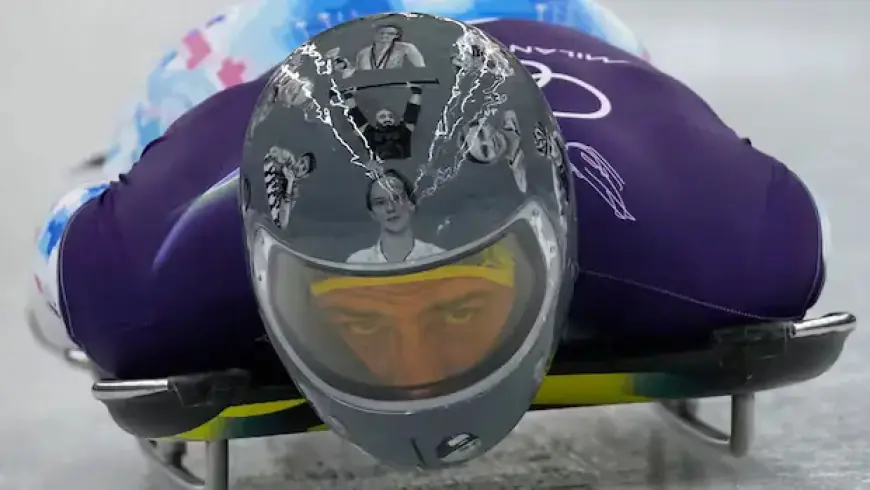
Ukrainian skeleton athlete Vladyslav Heraskevych faced disqualification from the Winter Olympics due to his choice of helmet, which honors over 20 Ukrainian athletes and coaches killed in the ongoing war with Russia. This incident occurred just 45 minutes before the competition’s start time, despite Heraskevych’s defiance against the International Olympic Committee (IOC) in the days leading up to the event.
Helmet Controversy at the Winter Olympics
The IOC had urged Heraskevych to wear a different helmet that complied with Olympic regulations. These rules prohibit visible statements on the field of play. Despite the IOC’s last-minute request, Heraskevych chose to wear his helmet during training and confirmed he would do so during the race.
Decision and Reactions
On February 12, 2026, the International Bobsled and Skeleton Federation informed him of the disqualification, stating his helmet choice was “inconsistent with the Olympic Charter and Guidelines on Athlete Expression.” The IOC had offered alternatives, including the option to wear a black armband or display the helmet post-competition, but Heraskevych remained resolute.
“I believe deeply the IBSF and IOC understand that I’m not violating any rules,” he remarked. He also expressed disappointment, suggesting discrimination as other athletes had previously made public statements without repercussions.
Meeting with IOC President Kirsty Coventry
Kirsty Coventry, the IOC President, personally met with Heraskevych at the Cortina d’Ampezzo sliding center. Despite her emotional plea for a resolution, they were unable to reach an agreement. Coventry later informed reporters, visibly upset, that both parties recognized the importance of Heraskevych’s message of remembrance but could not find common ground regarding field regulations.
Historical Context
This incident follows Heraskevych’s previous display of a “No war in Ukraine” sign at the 2022 Beijing Olympics, which the IOC deemed acceptable. The inconsistency in the IOC’s approach raises questions about its policies, as noted by Heraskevych. He compared his situation with that of other athletes who have expressed memorial sentiments, such as Maxim Naumov and Jared Firestone, who honored deceased loved ones during their recent competitions.
- Competition Date: February 12, 2026
- Athlete: Vladyslav Heraskevych
- IOC President: Kirsty Coventry
- Helmet Details: Honors over 20 athletes and coaches
Heraskevych’s coach and father, Mykhailo Heraskevych, expressed frustration, stating, “The International Olympic Committee destroyed our dreams.” Despite being a strong contender for a medal, the athlete’s commitment to his message overshadowed his opportunity to compete. As the medals for the event were determined, it became clear that the repercussions of this incident had permanently impacted his Olympic journey.