






















U.S. Transfers 7,000 ISIS Suspects from Syria to Iraq Amid Security Concerns

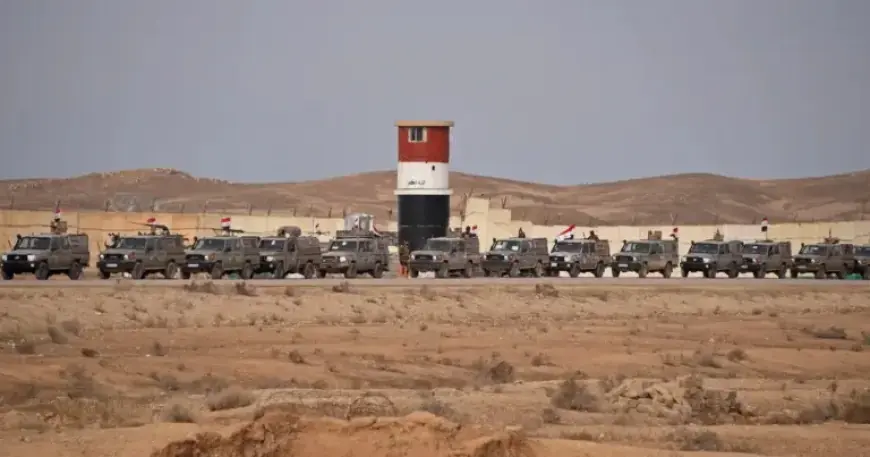
Amid rising security concerns, the U.S. military has begun transferring nearly 7,000 ISIS suspects from northeastern Syrian prisons to Iraq. The move comes after a significant prison escape in Syria heightened worries about the detainees’ safety.
Transfer of ISIS Detainees
As of Thursday, around 2,000 detainees have already been moved into Iraq. Iraqi officials have committed to putting these individuals on trial, with many facing potential terrorism charges. The Iraqi justice system has a complex history, having previously sentenced alleged ISIS militants to death.
Context of the Transfers
- The decision to transfer the detainees follows a mass escape from a Syrian prison on January 20.
- A ceasefire extension, announced at the end of January, aimed to stabilize conditions during the transfer process.
- The Syrian Democratic Forces (SDF), allied with the U.S., have played a crucial role in combating ISIS since the conflict began in 2014.
Despite losing significant territory, ISIS remains a threat. The SDF continues joint operations with coalition forces to curtail its resurgence. However, clashes between the SDF and Syria’s government have compromised security at detention facilities.
Legal and Security Concerns
U.S. Secretary of State Marco Rubio confirmed the temporary nature of the transfers, urging detainees’ home countries to repatriate their nationals. Meanwhile, Iraqi officials have ramped up border security to prevent further mass escapes.
Iraq’s justice system faces scrutiny as concerns about fairness persist. High-ranking officials insist they are ready to provide just trials for both foreign and local ISIS suspects. Judge Dr. Faiq Zidan emphasized Iraq’s preparedness to ensure compliance with international obligations in prosecuting these cases.
Challenges in the Justice System
- Iraq processed over 20,000 terrorism-related cases between January 2018 and October 2019.
- Human rights organizations have criticized previous trials, citing issues such as coerced confessions and lack of legal representation.
Despite assurances from Iraqi authorities about a fair judicial process, concerns about execution of these trials remain. Observers argue that systemic issues continue to challenge the integrity of the legal framework.
International Reactions
Governments of the foreign detainees have largely remained silent on their nationals’ transfer to Iraq. Human Rights Watch urged transparency about the identities of detainees and access to legal representation.
The Iraqi judiciary remains in discussions with several countries regarding the prosecution of their nationals. Officials have advocated for other nations to either repatriate their citizens or accept Iraq’s judicial authority in handling these cases.
As the situation evolves, the effectiveness of Iraq’s judicial process will be vital in maintaining regional security and addressing the long-standing legacy of ISIS.