





















Justice Department Dismisses Newly Appointed New York U.S. Attorney

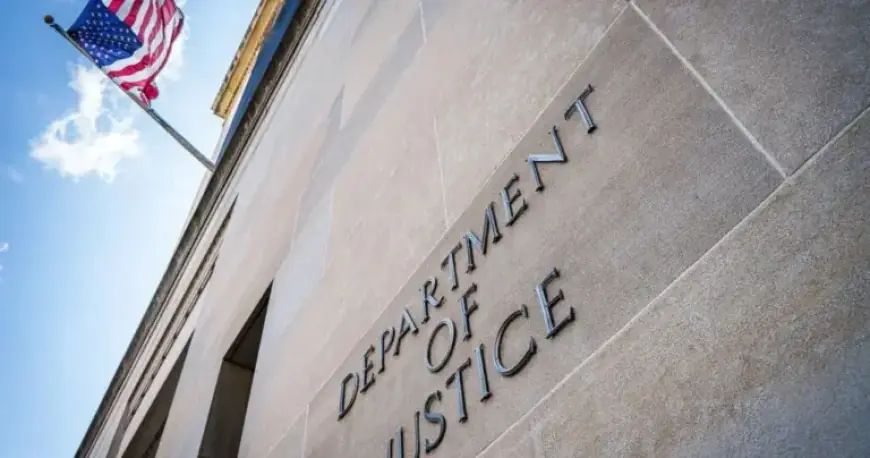
A newly appointed federal prosecutor in Albany, New York, has been dismissed by the Justice Department shortly after his appointment. This abrupt change continues the ongoing tension between the Trump administration and the federal judiciary regarding the appointment of U.S. attorneys.
Recent Developments in the U.S. Attorney Appointment
On Wednesday, a panel of judges in the Northern District of New York appointed Donald T. Kinsella to lead the U.S. attorney’s office in Albany. This decision came after a federal judge determined that the previous interim U.S. attorney, John Sarcone, was unlawfully serving in his role.
The judges exercised their right to appoint Kinsella under a specific law allowing temporary appointments when a vacancy occurs. However, just hours after Kinsella’s appointment was announced, Deputy Attorney General Todd Blanche dismissed him, stating, “You are fired, Donald Kinsella.” He emphasized that the authority to appoint U.S. attorneys lies with the president under Article II of the Constitution.
Background of the Conflict
The conflict began last year with Sarcone, a former campaign attorney for President Trump. Although he was named interim U.S. attorney, his 120-day term expired in July without an extension from the judges. Attorney General Pam Bondi then appointed Sarcone as first assistant U.S. attorney to retain his leadership role. This maneuver allowed him to continue functioning as acting U.S. attorney, but was later ruled unlawful by U.S. District Judge Lorna Schofield.
- Key Dates:
- July: Sarcone’s interim term expired.
- Late Wednesday: Kinsella’s appointment was countered by his dismissal.
- Organizations Involved:
- Department of Justice
- Northern District of New York
- Office of the Attorney General
Judge Schofield also prohibited Sarcone from overseeing an investigation into New York Attorney General Letitia James, challenging the legality of his role. Sarcone had been investigating James concerning her handling of a civil fraud inquiry involving Donald Trump and an investigation into the National Rifle Association.
Wider Implications
This instance is not isolated. There have been multiple cases where Trump administration nominees for U.S. attorney positions have encountered resistance from federal judges in various states, including New Jersey and California. Many critics argue that the administration is trying to bypass the Senate confirmation process, while the Justice Department insists that such appointments are within the authority of the president and the attorney general.
The escalating tensions surrounding the appointment of U.S. attorneys reflect broader concerns regarding the independence of the judiciary and the processes governing federal appointments. As these events unfold, the relationship between the Trump administration and the federal judiciary continues to be scrutinized.