






















College Bowl Game Canceled After 29-Year Run

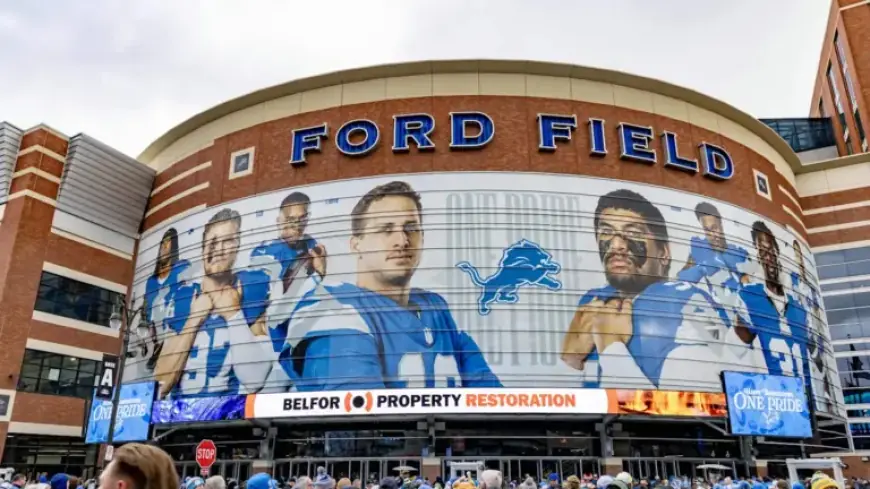
The cancellation of the GameAbove Sports Bowl marks the end of a 29-year tradition in Detroit. Originally launched as the Motor City Bowl in 1997, the event underwent several name changes, including the Little Caesars Pizza Bowl, Quick Lane Bowl, and finally, the GameAbove Sports Bowl.
History of the GameAbove Sports Bowl
This bowl game was notable for being played indoors due to its northern location. Initially hosted at the Pontiac Silverdome, it later moved to Ford Field when the NFL’s Detroit Lions began playing there. Typically, this bowl featured a team from the Mid-American Conference (MAC) facing a representative from a major conference, alternating between teams from the ACC and Big Ten.
Memorable Moments
The GameAbove Sports Bowl witnessed numerous memorable games throughout its run. One significant highlight occurred in 2024, when Toledo defeated Pittsburgh 48-46 in an unprecedented six-overtime battle. This game set a record for the most overtimes ever played in an FBS bowl game.
Attendance Challenges
Despite its history, the bowl struggled with attendance in recent years. None of the last five games drew more than 29,000 fans in a venue that has a capacity of 65,000. The growing appeal of the College Football Playoff has further overshadowed these lower-tier bowl games.
Bowl Cancellations Overview
The termination of the GameAbove Sports Bowl is the latest in a series of cancellations. This offseason also saw the dissolution of the LA Bowl and the Bahamas Bowl. The expansion of the College Football Playoff from four to twelve teams has exacerbated challenges in filling bowl slots.
- College Bowl Cancellations:
- GameAbove Sports Bowl
- LA Bowl
- Bahamas Bowl
- Notable Trends:
- Teams with 5-7 records like Rice and Mississippi State received bowl invitations.
- Some traditional programs, including Notre Dame and Kansas State, opted out of consideration.
As discussions persist regarding the necessity of maintaining the current number of bowl games, the landscape of college football continues to evolve. The challenges are clear: as the postseason expands, the relevance of certain bowls diminishes, leading to tough decisions ahead for college football stakeholders.