




















Solo Mio and Kevin James Turn a Viral Super Bowl Moment Into a High-Profile Movie Launch

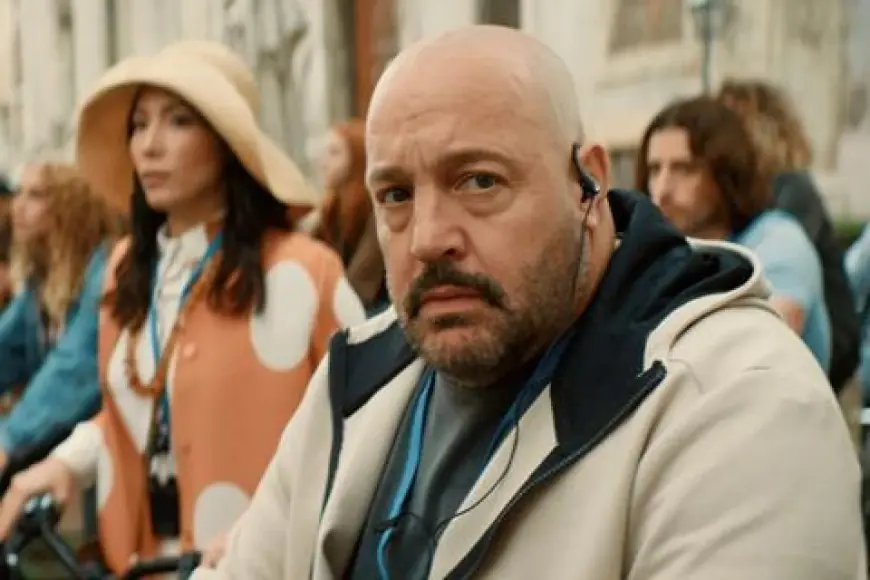
Kevin James has a new romantic comedy, Solo Mio, and its marketing push just collided with one of the biggest live TV moments of the year. In the days following the Super Bowl on Sunday, February 8, 2026 (ET), James trended online after fans spotted him sitting alone in the stands holding white flowers and looking visibly crushed. The twist: it wasn’t a personal moment. It was performance—James in character as the film’s heartbroken lead—used as a real-time ad for a movie that had just hit U.S. theaters on Friday, February 6, 2026 (ET).
The play matters because it signals how mid-budget comedies are fighting for attention in a crowded market: fewer traditional talk-show laps, more narrative stunts that look “accidental,” and campaigns built to travel through people’s feeds faster than a trailer ever could.
What happened with Solo Mio and Kevin James
Solo Mio is a romantic comedy centered on a groom who’s left at the altar and continues a planned Italy trip alone—an emotional premise that leans into Kevin James’ sweet-spot blend of wounded sincerity and physical-comedy warmth. Over Super Bowl weekend, James appeared in public as the character, styled like a jilted romantic with flowers and a distant stare. Clips spread quickly, with viewers initially reading it as a genuine “sad celebrity” sighting before the campaign’s intent became clearer.
The timing was no accident. Releasing a romance-forward comedy one week before Valentine’s Day, then attaching its main character to a culture-dominating event, creates a direct funnel: curiosity, conversation, trailer searches, then ticket buying.
Behind the headline: incentives, stakeholders, and why this move happened now
Incentives
For a theatrical romantic comedy in 2026, the biggest obstacle isn’t reviews—it’s awareness. People don’t discover these films by default anymore. The incentive is to create a moment that feels organic enough that audiences share it for free, but structured enough that the sharing leads to the movie.
Kevin James also has a personal incentive: he’s best known for broad comedy, and Solo Mio positions him as the center of a more heartfelt, date-night story. A character-based stunt says, “This isn’t just a gag; it’s a person you’ll root for.”
Stakeholders
-
The filmmakers and financiers: They need a strong opening stretch because romantic comedies can fade fast if they don’t become a “couples pick.”
-
Theater owners: A buzzy, accessible title can stabilize February weekends.
-
Audiences: Viewers benefit when comedies get theatrical chances again—if the movie connects, it supports more releases like it.
-
Competing Valentine’s releases: Any film targeting the same calendar window now has to compete with a campaign that hijacked a national conversation.
What we still don’t know
Even with the buzz, several key pieces remain unclear or unconfirmed publicly:
-
How much the stunt moved ticket sales versus just social chatter.
-
How long the film will remain widely available in theaters after Valentine’s week.
-
The exact timetable for at-home viewing, including whether it will arrive first as paid rental or purchase and when a subscription option might follow.
-
Whether the character-driven campaign continues with more public appearances or pivots to traditional promotion.
These unknowns matter because a viral moment can be loud without being profitable. The real test is whether the attention converts into sustained attendance over the next two weekends.
Second-order effects: what this could change in movie marketing
If Solo Mio sees a measurable bump, expect more mid-budget releases to adopt “fictional persona” rollouts that start months earlier, presenting a character’s life in bite-sized videos and slowly revealing the project behind it. That approach has ripple effects:
-
Blurrier lines between entertainment and advertising: Audiences may grow skeptical, which could make future stunts less effective.
-
Higher creative demands on stars: Actors may be asked to “live” a role in public for weeks, not just on set.
-
More campaign risk: If a stunt lands wrong—too manipulative, too confusing—it can backfire and sour sentiment before opening weekend.
What happens next: realistic scenarios and triggers to watch
-
Strong Valentine’s week hold
Trigger: steady weekend-to-weekend drops rather than a sharp falloff, signaling date-night momentum. -
Front-loaded buzz, quick fade
Trigger: social conversation spikes again without a matching rise in theater attendance, leading to a faster shift toward at-home release. -
Campaign doubles down with more “in-character” moments
Trigger: continued online engagement around the character and fan curiosity that stays high through mid-February. -
Wider audience discovery through word-of-mouth
Trigger: people describing it as a crowd-pleasing, low-stress pick—exactly what couples and groups look for around Valentine’s Day. -
At-home release becomes the second launch
Trigger: a clear announcement that it’s arriving for paid rental or purchase, effectively resetting marketing for a broader audience.
Why it matters
Solo Mio isn’t just a Kevin James rom-com story; it’s a case study in how theatrical comedies are trying to survive. The Super Bowl moment shows a strategy built for the attention economy: turn a character into a mini-mystery, let the public do the distribution, and convert curiosity into ticket sales. Whether it becomes a template depends on one thing that no stunt can fake—people actually showing up.